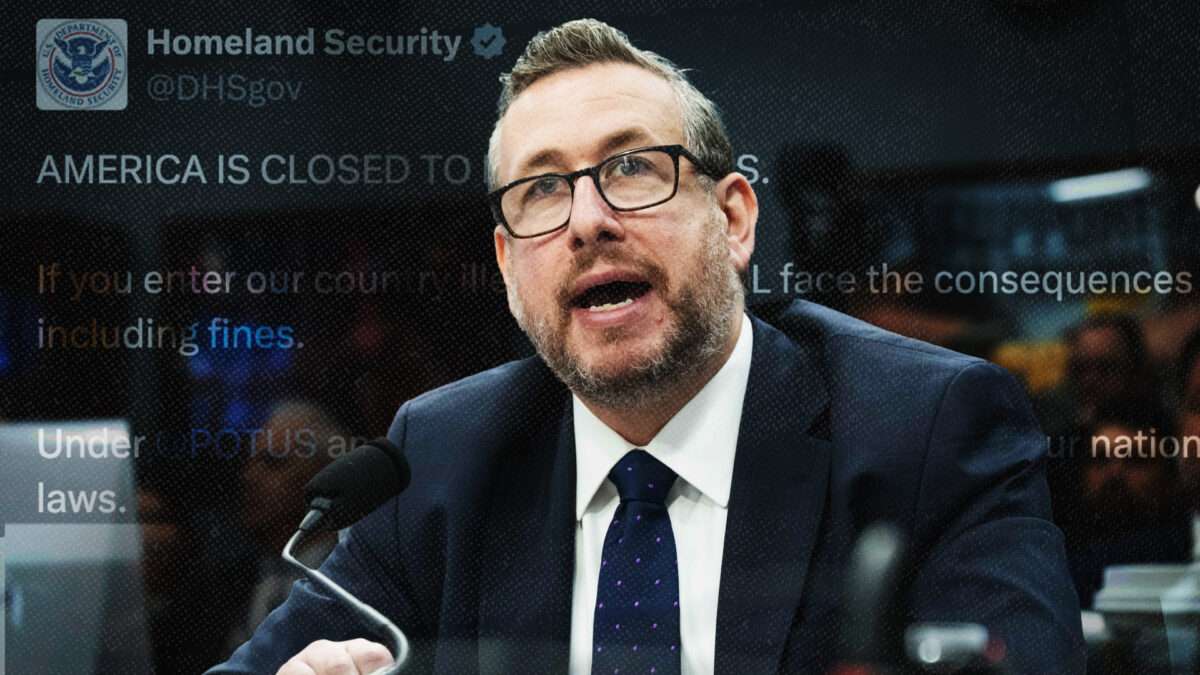
The Trump administration issued a memo through U.S. Citizenship and Immigration Services requiring green card applicants currently in the United States to leave the country and apply for permanent residency from abroad. The policy marks a significant shift in immigration processing that would force legal residents already present domestically to undergo consular processing overseas.
The memo relies on a legal authority that immigration experts dispute. The cited statute may actually allow applicants to adjust their status while remaining in the United States, according to analysis of the relevant law. This discrepancy creates immediate legal vulnerability for the policy, suggesting it could face court challenges on statutory interpretation grounds.
The practical impact affects thousands of people. Legal residents who have passed initial background checks and security vetting would face mandatory departure, potentially disrupting employment, housing, and family arrangements. The policy extends beyond undocumented immigrants to include those with valid legal status who are seeking permanent residency through official channels.
Immigration attorneys flag the policy as administratively burdensome and legally questionable. Requiring overseas processing for applicants already vetted and present in the country reverses decades of practice allowing adjustment of status applications from within U.S. borders for certain eligible categories.
The timing reflects the administration's broader restrictionist immigration agenda. Since taking office, Trump has pursued multiple measures designed to limit legal immigration pathways, reduce asylum grants, and increase deportations. This memo fits that pattern by adding procedural obstacles to established green card application processes.
The legal foundation remains contested. USCIS justified the memo by citing statute, but the language may not support mandatory overseas application for all applicants. Civil rights organizations and immigration advocacy groups have already signaled intent to challenge the policy in federal court, setting up a confrontation over statutory authority and administrative procedure.