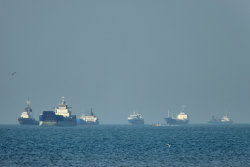
The Strait of Hormuz remains one of the world's most fragile chokepoints. Nearly one-third of all seaborne oil passes through these waters, and any disruption threatens global energy supplies and deepens inflation pressures already straining households worldwide.
The Trump administration withdrew from the Iran nuclear deal in 2018, prompting Tehran to accelerate uranium enrichment and revive its nuclear program. The Biden administration has pursued negotiations to restore the agreement, but talks have stalled. Current tensions raise the prospect that Iran could block the Strait of Hormuz in retaliation for U.S. sanctions or military action, a scenario with cascading consequences.
A renewed nuclear accord would reduce immediate flashpoints between Washington and Tehran. It would also restore sanctions relief, potentially easing global oil markets and stabilizing energy prices. For developing nations dependent on food imports, lower energy costs translate directly to cheaper fertilizers and shipping, helping ease food inflation that has driven millions toward poverty.
The geopolitical calculus complicates matters. Republicans, led by former President Donald Trump, view the original deal as a capitulation that failed to constrain Iran's regional ambitions. They argue that maximum pressure through sanctions remains the only leverage against Iranian aggression in Syria, Iraq, and support for Hamas and Hezbollah.
Biden's negotiating team counters that diplomacy addresses the nuclear threat specifically while preserving America's ability to confront Iranian proxies through other means. They note that the original agreement included sunset provisions that eventually expire, meaning a new framework could include permanent restrictions.
Without a deal, the likelihood of military escalation rises. An Israeli strike on Iranian nuclear facilities, a provocative Iranian move at Hormuz, or miscalculation during naval encounters could spark a regional conflict that destabilizes oil markets for years. The economic toll would fall hardest on poor and middle-income nations with limited reserves.