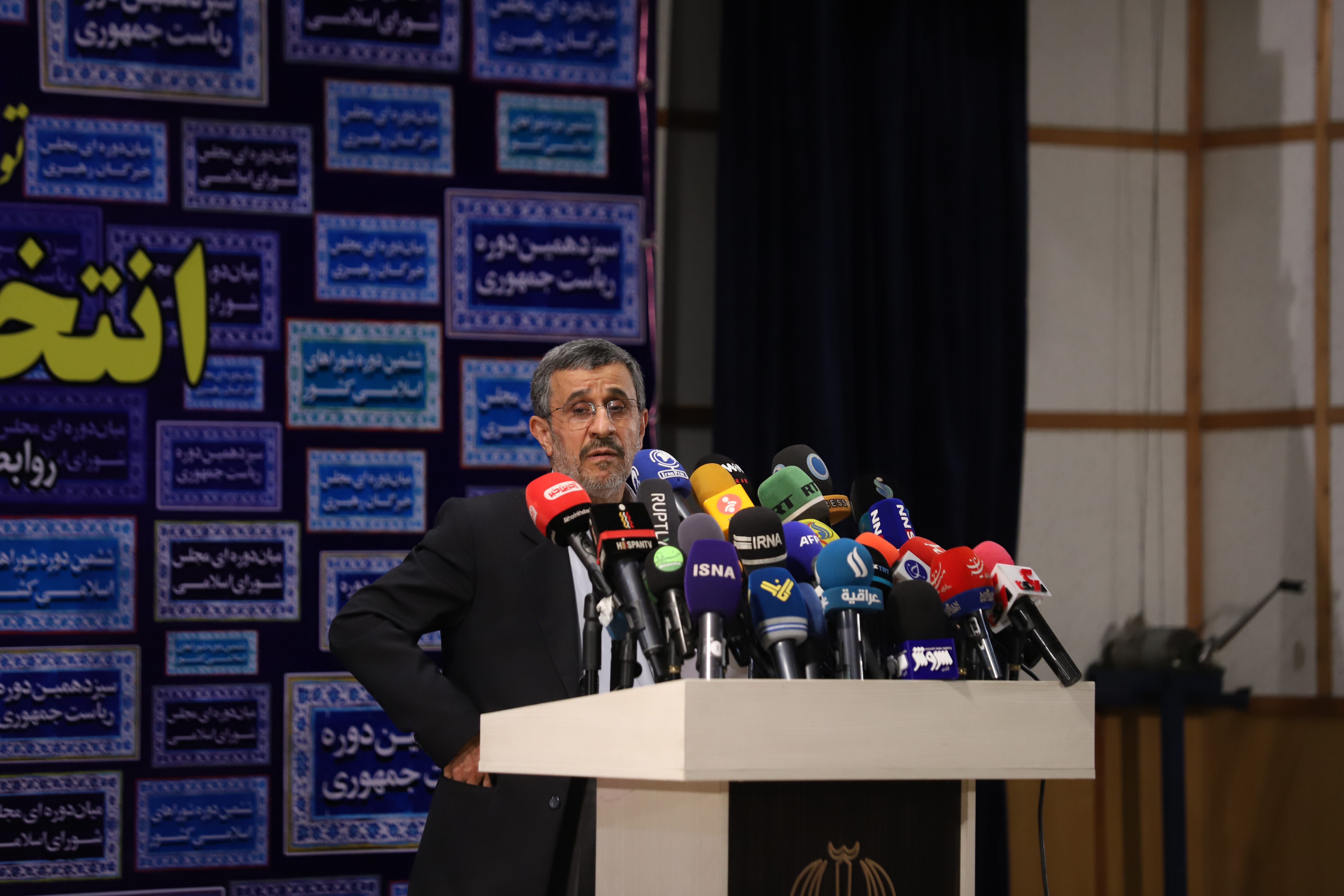
A newly released report reveals a troubling pattern in how Western powers, particularly Israel and the United States, have handled Iran policy over the past two decades. The analysis focuses on former Iranian president Mahmoud Ahmadinejad's tenure from 2005 to 2013 and the geopolitical calculations that shaped international responses to his government.
The report indicates that Israeli and American officials prioritized strategic advantages over genuine concern for Iranian citizens suffering under Ahmadinejad's authoritarian rule. Rather than pursuing meaningful support for Iranian democratic movements or civil society, both nations leveraged Iran's internal instability for their own regional interests.
Ahmadinejad's presidency coincided with rising tensions over Iran's nuclear program, aggressive rhetoric toward Israel, and severe restrictions on freedoms within Iran itself. Iranians faced widespread human rights abuses, including torture, arbitrary detention, and suppression of political opposition. Yet the documented evidence shows Western governments treated these internal repression issues as secondary to their strategic calculations.
The investigation demonstrates that Israel benefited from a destabilized Iran under Ahmadinejad, as his provocative stance strengthened Israel's security arguments in the region. Meanwhile, the U.S. used Iran's internal divisions to justify its own interventionist policies. Both nations publicly condemned Iranian human rights violations while privately pursuing policies that did little to support Iranian activists or advance genuine democratic change.
This pattern reveals a fundamental contradiction in how Western powers frame their foreign policy. Public rhetoric emphasizes support for freedom and democracy, yet actual policy decisions prioritize realpolitik over human rights. Iranian citizens paid the price for this inconsistency, enduring repression while their tormentors proved useful to Western strategic interests.
The report raises uncomfortable questions about the sincerity of Western commitments to universal human rights and democratic values. When those values conflict with regional power dynamics, the evidence suggests they consistently take a back