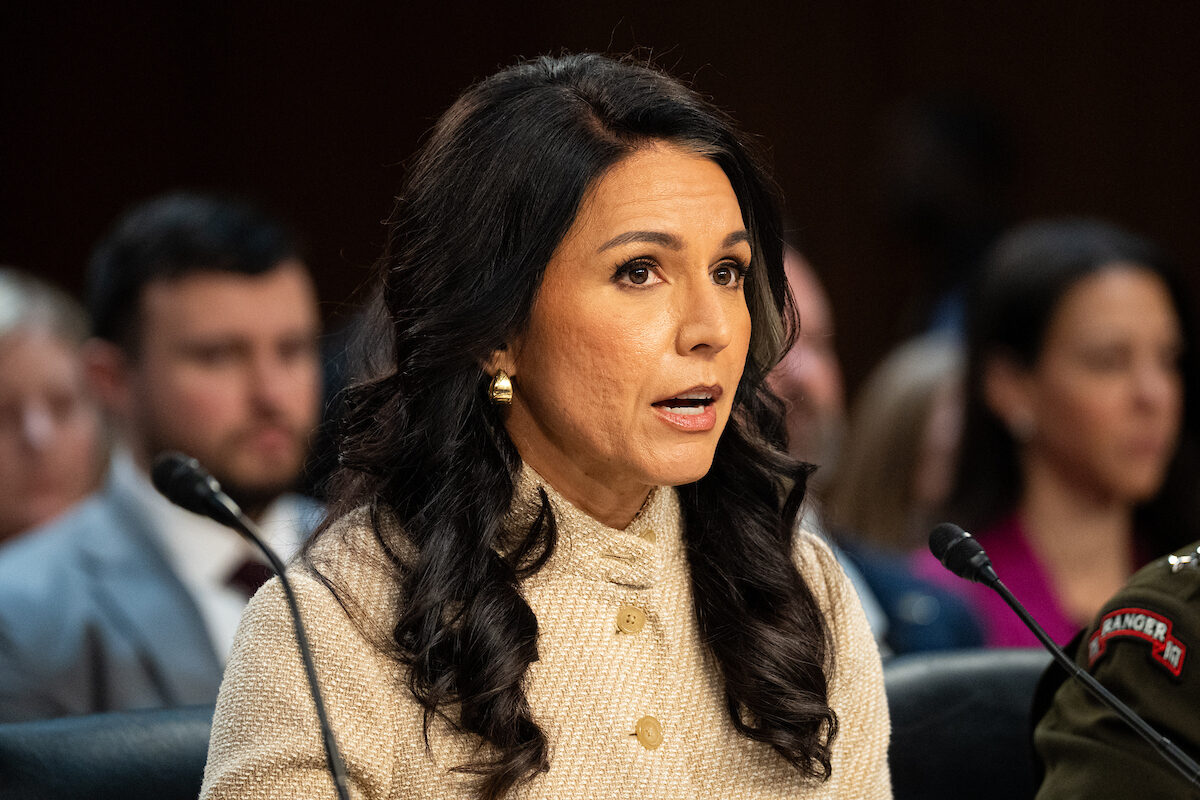
President Donald Trump announced Friday that Tulsi Gabbard is stepping down as director of national intelligence effective June 30 due to her husband's cancer battle. The former Democratic representative will be replaced by Principal Deputy DNI Aaron Lukas, whom Trump described as "highly respected."
Gabbard's departure marks a significant shift in Trump's national security apparatus. The former Hawaii congresswoman had been a controversial pick for the intelligence post, drawing criticism from both parties during her confirmation process. Her nomination sparked debate over her past positions on Syria, Russia, and intelligence matters. Democrats questioned her qualifications, while some Republicans raised concerns about her foreign policy views.
Trump's decision to accept Gabbard's resignation without signaling plans for a contentious replacement battle suggests the administration wants to avoid prolonged confirmation hearings. By promoting Lukas, an intelligence community career official, Trump sidesteps the partisan warfare that often accompanies DNI nominations.
Lukas has served as Principal Deputy DNI and brings extensive experience in the intelligence establishment. His elevation from within preserves continuity in the office during a period when the intelligence community faces scrutiny from Trump over investigations into his administration. The lack of immediate confirmation fight indicates Trump may view internal promotion as preferable to another nomination battle on Capitol Hill.
Gabbard's resignation, framed around family considerations rather than policy disagreement, provides both her and the Trump administration an exit that avoids public conflict. The timing allows several months for a smooth transition before her departure.
Her exit removes a lightning rod figure from Trump's cabinet and reduces ongoing Democratic criticism of her stewardship of intelligence operations. For the intelligence community, Lukas's appointment offers stability and preserves institutional relationships that might have been strained by further Gabbard tenure.
The move reflects Trump's willingness to shuffle personnel when politically convenient while maintaining operational continuity through experienced bureaucrats rather than pursuing ide