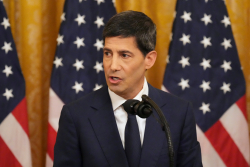
Kevin Warsh becomes Federal Reserve chairman this Friday facing a damaged institution. The central bank's credibility eroded under previous leadership through a series of policy failures and communication missteps that now define his tenure.
The Fed's inflation forecasts missed badly. Officials repeatedly dismissed rising price pressures as temporary, calling inflation "transitory" even as it accelerated. This messaging error undermined public confidence and complicated the Fed's pivot to aggressive rate hikes in 2022. The damage persists today as Americans remain skeptical of central bank competence.
Warsh inherits operational and supervisory challenges beyond inflation. The Fed faces novel risks from artificial intelligence adoption across the financial system without established regulatory frameworks. Tariff policies tied to trade tensions create unpredictable economic conditions the Fed must navigate. Global financial imbalances stemming from divergent monetary policies across major economies add complexity to rate-setting decisions.
Public trust in the Fed has deteriorated. Partisan criticism from both political parties intensified during inflationary episodes. Some blamed the Fed for not raising rates sooner. Others attacked rate hikes as economically damaging. This polarization constrains the Fed's independence and complicates technical decision-making.
Warsh's appointment carries political weight. President Trump nominated him as someone willing to challenge Fed orthodoxy and question institutional groupthink. Trump has publicly criticized the Fed multiple times and pushed for lower rates aligned with his preferred policies.
The new chairman cannot rebuild the Fed's reputation through speeches alone. Warsh must demonstrate better forecasting discipline, acknowledge past errors honestly, and show competence managing emerging risks. His decisions on interest rates, bank supervision, and AI regulation will signal whether leadership has changed substantively or merely cosmetically.
The Fed's role as inflation fighter and financial system guardian depends on restored credibility. Warsh's performance will determine whether the institution recovers public confidence or faces deeper eros