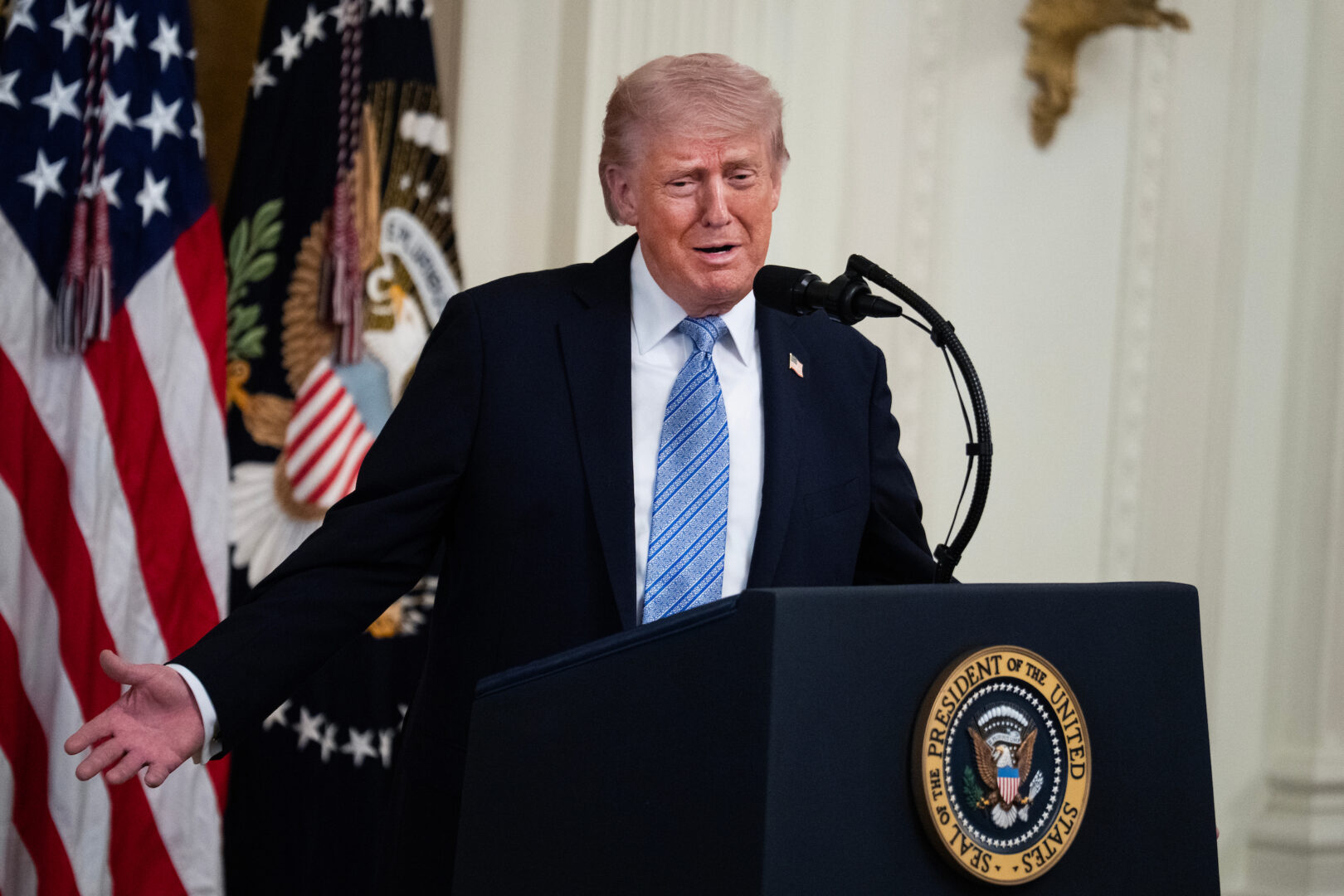
President Donald Trump announced Saturday that an agreement with Iran will be declared "shortly," signaling a potential end to the 84-day military and economic conflict between the two nations. Trump stated on social media that an agreement has been "largely negotiated, subject to finalization between the United States of America, the Islamic Republic of Iran, and the various other Countries."
The statement marks a dramatic shift in Trump's approach to Iran policy. The escalating tensions began when the U.S. withdrew from the Iran nuclear deal in 2018, reimposing severe sanctions on Tehran. The conflict intensified this year with military strikes and economic measures that destabilized oil markets and raised global security concerns.
Trump's vague language left open questions about the deal's scope and timing. He did not specify which countries were involved in negotiations beyond Iran and the United States, or outline the agreement's terms. The statement comes amid broader Republican concerns about military involvement in the Middle East and pressure from business groups worried about economic disruption from prolonged conflict.
The potential agreement faces scrutiny from Trump's allies and critics alike. Some Republicans support resolving tensions to avoid deeper military entanglement, while others worry any deal might appear weak on national security. Democrats and international partners have called for transparency and multilateral coordination on Iran policy.
Iran's response remained cautious. The Iranian government has indicated willingness to negotiate but rejected what it characterizes as American ultimatums. Success depends on both sides moving beyond hardline positions that have defined recent relations.
The timing is significant as Trump approaches his 2020 campaign, where foreign policy achievements carry weight with voters. Resolving the Iran conflict would allow him to claim a diplomatic victory, though details matter enormously for assessing whether any agreement actually addresses core security concerns or merely postpones confrontation.