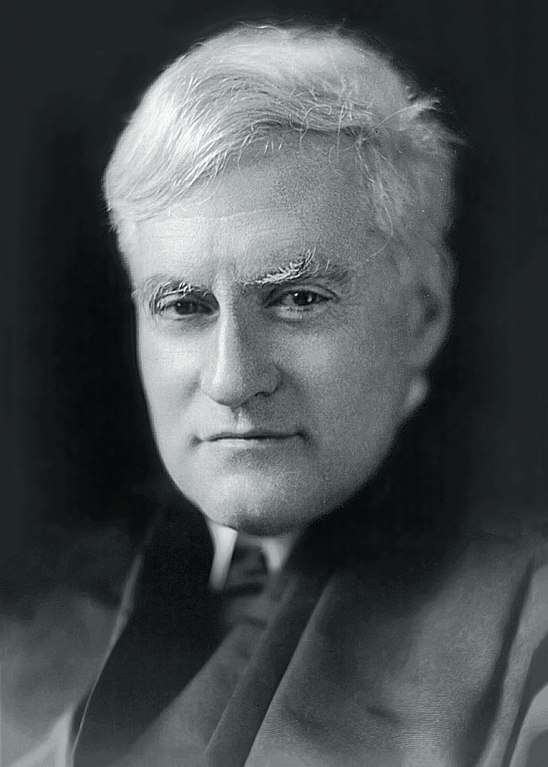
Benjamin Cardozo entered the world on May 24, 1870, beginning a judicial career that would reshape American constitutional law and establish him as one of the Supreme Court's most intellectually rigorous justices.
Cardozo ascended to the nation's highest court in 1932, serving until his death in 1938. Before his appointment by President Herbert Hoover, he had already earned a distinguished reputation on the New York Court of Appeals, where his opinions demonstrated exceptional clarity and philosophical depth. His written work established him as a legal scholar of the first rank.
On the Supreme Court, Cardozo emerged as a voice of pragmatic constitutionalism during the turbulent early years of the New Deal. While other justices struck down Franklin D. Roosevelt's economic legislation, Cardozo supported the administration's efforts to combat the Great Depression. His concurrence in cases upholding federal regulatory power helped establish that Congress possessed broad authority over interstate commerce.
His judicial philosophy emphasized restraint and respect for democratic institutions. Cardozo believed courts should defer to legislative judgments when constitutional text did not clearly mandate intervention. This approach positioned him as a moderate during an era of fierce ideological conflict on the bench.
Beyond specific decisions, Cardozo's influence extended to legal methodology. His writings on the nature of judicial reasoning and the proper role of precedent shaped how generations of lawyers and judges approached constitutional interpretation. His 1921 book, "The Nature of the Judicial Process," became a seminal text in jurisprudence.
Cardozo's career demonstrated that intellectual rigor and judicial humility need not conflict. His opinions combined sophisticated constitutional analysis with an understanding that courts function within a larger democratic system. This balance made him influential among subsequent jurists across ideological lines, from liberal innovators to conservative originalists who respected his reasoning even when disagreeing with his conclusions.