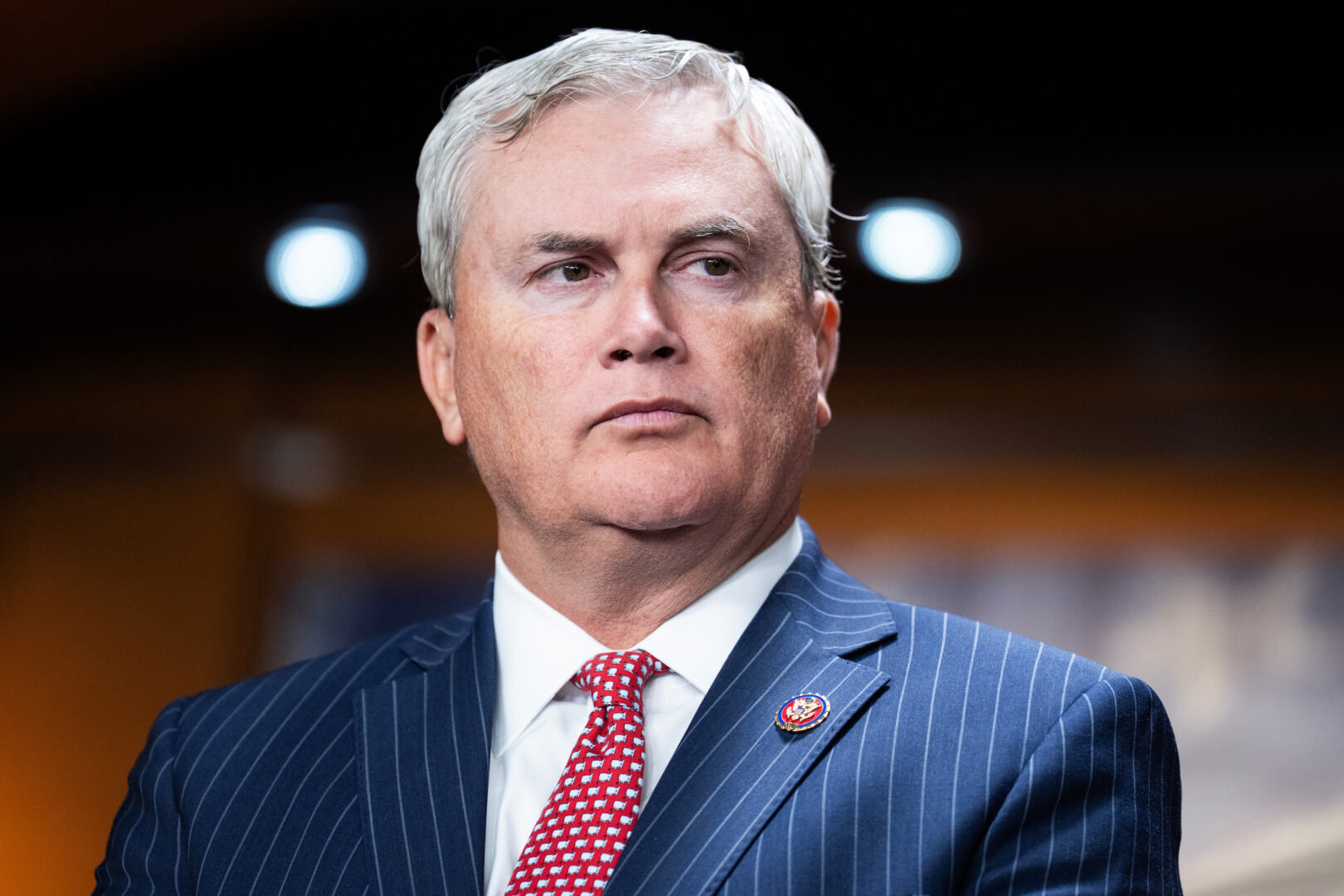
The House Oversight and Government Reform Committee opened a formal investigation Friday into insider trading on prediction markets following suspicious betting patterns that suggest lawmakers or government officials may be exploiting nonpublic information.
The probe targets trades on platforms where users wager on political and geopolitical events. Investigators focus on unexplained bets placed before major news broke, including wagers anticipating the capture of Venezuelan President Nicolás Maduro and escalations in the Iran conflict. These trades triggered concern that individuals with access to classified intelligence or advance knowledge of diplomatic operations placed bets to profit from outcomes they helped engineer or knew would occur.
Prediction markets have grown into multibillion-dollar platforms where participants trade contracts based on election results, policy decisions, and international events. The markets operate in a regulatory gray zone. While some platforms operate legally in the United States, others operate offshore to skirt restrictions. The betting data sits largely outside traditional market surveillance that the Securities and Exchange Commission applies to stock exchanges.
The investigation reflects broader congressional anxiety about government insiders exploiting information asymmetries for personal gain. Lawmakers worry that intelligence analysts, diplomats, defense officials, and even elected representatives could systematically profit from their positions by betting on outcomes they influence or anticipate through their work.
The committee signaled it may pursue legislation banning members of Congress from trading on prediction markets altogether, mirroring existing restrictions on stock trading by federal lawmakers. Such a ban would require updating the Stock Act of 2012, which already prohibits lawmakers from using nonpublic information gleaned from their official duties to trade securities.
Prediction markets operate under a different legal framework than securities markets, which complicates enforcement. The Commodity Futures Trading Commission has limited jurisdiction over many platforms. The investigation will likely expose gaps in oversight and could prompt bipartisan support for stricter rules governing who can access these platforms and what trades they can execute.
The