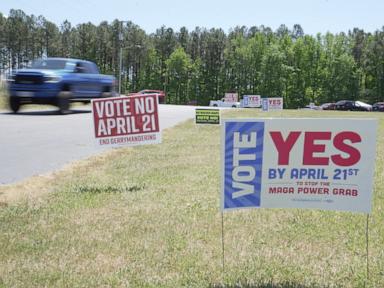
Democrats face a structural disadvantage heading into the 2026 redistricting cycle, where they will finish several seats behind Republicans in the nationwide competition to control map-drawing power, according to ABC News reporting.
The disparity stems from Democratic losses in the 2022 midterms, which cost the party control of numerous state legislatures and governorships. These offices directly control the redistricting process in most states. Republicans currently hold the majority in far more state chambers, giving them greater authority to draw district lines favorable to their party.
Democrats have vowed an aggressive counterpunch through independent redistricting commissions and litigation, but these strategies face significant obstacles. Independent commissions exist in only a handful of states and require voter approval to expand. Legal challenges to gerrymandered maps move slowly through courts, and the Supreme Court has limited its willingness to intervene in partisan gerrymandering cases.
The math is unforgiving. Republicans control redistricting in states representing roughly 187 million Americans, while Democrats control the process in states with approximately 117 million residents. The remaining population lives in states with split control or independent commissions, which typically produce more balanced outcomes.
Party strategists acknowledge the 2026 maps will likely cement Republican advantages for the remainder of the decade. Even if Democrats win back some state legislatures in 2024, they will have limited time to influence map-drawing that begins in 2025.
Some Democrats are focusing resources on supporting ballot initiatives for independent commissions in key swing states like Arizona, Michigan, and Ohio. Others are investing in legal challenges to existing Republican maps, though these cases face uncertain prospects in the current conservative-dominated judiciary.
The redistricting disadvantage compounds existing Democratic challenges heading into 2026, when they will defend Senate seats in multiple Republican-leaning states. Democratic operatives view the redistricting battle as one of their most consequ