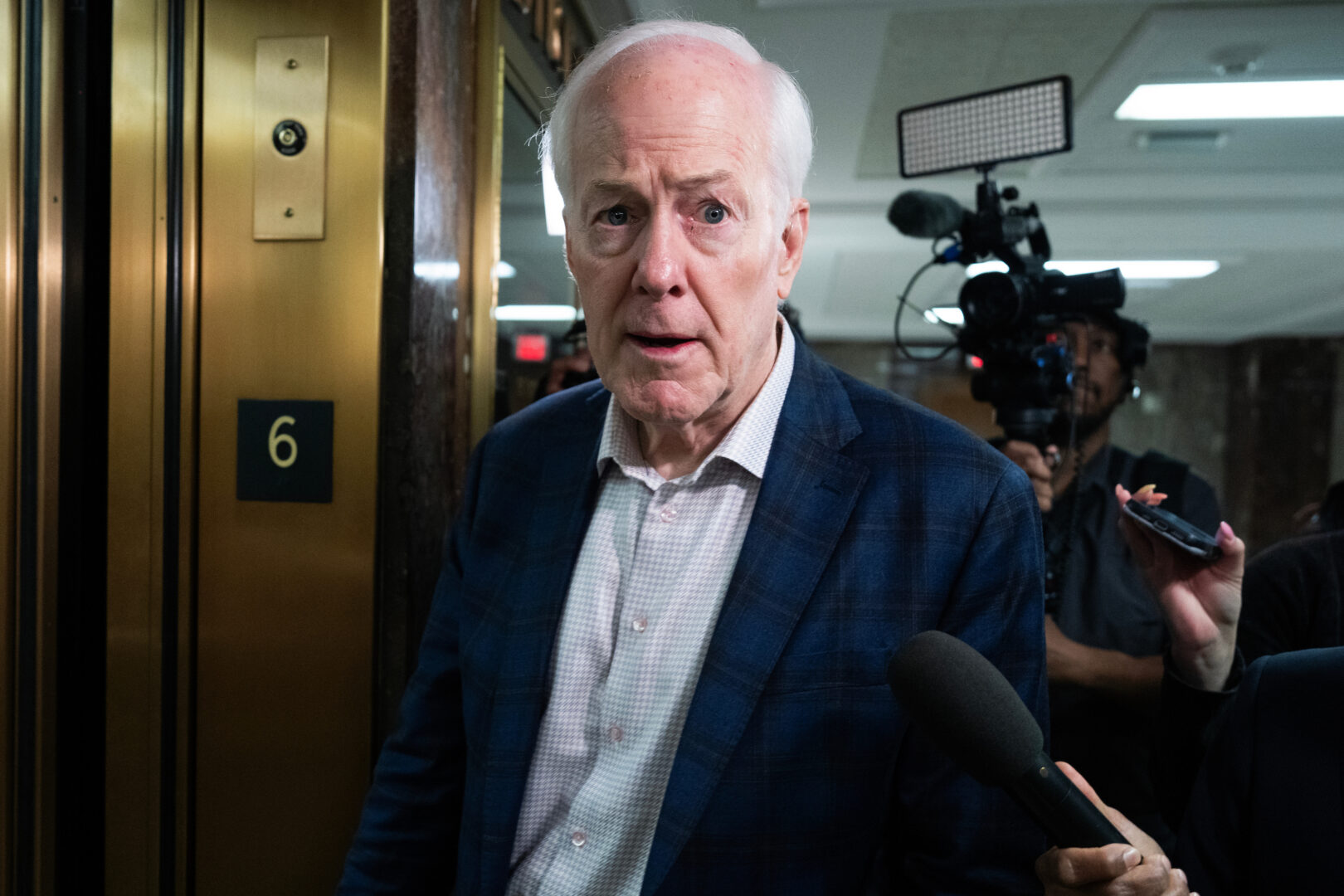
A television advertisement attacking Texas Senator John Cornyn in the GOP runoff race misrepresents his record on immigration and Islam, according to analysis from Roll Call.
The spot, which began airing May 12, distorts a 2021 statement Cornyn made about Afghan refugees fleeing Taliban rule. The ad claims Cornyn supports "Muslim mass immigration" and asserts he "has a special place in his heart for radical Islam," characterizations that diverge significantly from his actual positions.
Cornyn, a Republican who has represented Texas since 2002, has maintained a complex stance on immigration. While he has supported increased refugee admissions in specific circumstances, he has also backed stricter border enforcement and previously opposed comprehensive immigration reform that included pathways to citizenship for undocumented immigrants already in the country.
The 2021 quote about Afghan refugees emerged after the Biden administration's withdrawal from Afghanistan. Cornyn, like many Republicans, initially criticized the withdrawal's execution but supported resettling Afghan allies who assisted U.S. forces. The ad weaponizes this position as evidence of ideological sympathy toward Islam itself, a logical leap unsupported by his legislative record.
This attack reflects the hardline immigration messaging dominating the Texas Republican primary. Cornyn faces primary challengers who have positioned themselves to his right on border security and immigration enforcement. The misleading advertisement signals that opponents intend to attack the senator on grounds of perceived softness on these issues heading into the runoff.
The ad's inflammatory language about Islam represents a rhetorical shift in GOP primary politics. Rather than debating specific policy disagreements on refugee caps or visa programs, the advertisement attempts to question Cornyn's fundamental commitment to Christian American values.
Cornyn's voting record shows consistent support for enhanced border security measures and restrictions on asylum claims, though he has occasionally broken from the hardline immigration absolutism that defines