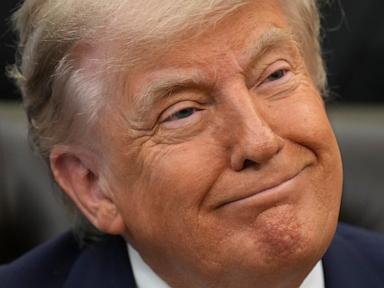
President Donald Trump is heading to New York's 22nd congressional district, one of the nation's most competitive House races, to pitch his tax cuts as economic headwinds reshape the midterm landscape. The visit tests whether the administration's signature tax legislation resonates with voters growing anxious about inflation and household finances.
The 22nd district, which spans parts of central New York, represents exactly the kind of swing territory both parties need to control Congress. Republicans hold the seat narrowly. Trump's presence there signals the GOP views the district as vulnerable and believes his tax message offers the best defense against Democratic gains.
The political math is stark. Midterm history heavily favors opposition parties when economic sentiment sours. Trump's 2017 Tax Cuts and Jobs Act delivered corporate rate reductions and individual tax breaks, but public approval for the law has remained tepid. Voters broadly associate current inflation pressures with Biden administration policies rather than lingering effects from the previous administration's fiscal agenda.
Trump's visit comes as House Republicans brace for potential losses. The 22nd district leans slightly Republican but voted for Biden in 2020, making it a prime Democratic target. By campaigning there personally, Trump attempts to energize Republican turnout and reframe tax policy as pro-growth rather than pro-corporate.
The visit reflects broader Republican strategy heading into the midterms. Party leaders are relying on Trump's continued influence over the base to drive turnout in competitive districts, particularly in regions where working-class voters once formed the GOP coalition. Whether his tax message cuts through economic anxiety remains uncertain. Polling shows inflation dominates voter concerns, and the connection between corporate tax rates and household grocery prices lacks intuitive appeal.
For Democrats, Trump's visit offers a campaign opportunity to tie Republicans to unpopular tax cuts while emphasizing administration efforts to combat inflation through energy policy and supply chain fixes.