# Fed Chair Swearing-In Marked by Optimism, Tensions
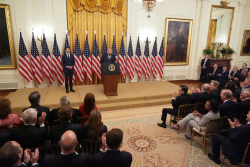
The Federal Reserve chair's swearing-in ceremony reflected the complex economic moment facing the nation's central bank. Officials expressed confidence in current policy direction while acknowledging persistent inflation concerns and labor market uncertainty.
The incoming chair takes the helm as the Fed navigates competing pressures. Inflation remains elevated despite aggressive rate hikes over the past year, yet signs of economic slowdown have emerged. The labor market shows resilience, but wage growth continues outpacing productivity gains. This backdrop frames the central bank's challenge: supporting employment while restoring price stability.
At the ceremony, congressional Republicans raised concerns about the Fed's independence and questioned whether recent rate increases have gone too far. Democrats largely backed the institution's autonomy while pressing for attention to job losses in manufacturing regions. The tension reflects broader partisan divides over economic policy and the Fed's dual mandate.
The incoming chair signaled commitment to data-driven decision-making and transparent communication with markets. Remarks emphasized the Fed's dedication to its inflation-fighting mission while monitoring labor market conditions closely. Officials at the event noted that the next phase of monetary policy will depend on incoming economic data rather than predetermined paths.
Market participants reacted cautiously to the transition. Yields on Treasury securities remained steady, suggesting markets held expectations for the existing policy trajectory. Traders appeared to accept that rate decisions would remain elevated longer than initially hoped, but eventual cuts may come in 2024 if inflation trends continue cooling.
The swearing-in underscored the Fed's balancing act heading into a critical election year. The central bank faces pressure to stabilize inflation without triggering a severe recession that could harm incumbent administration electoral prospects. Simultaneously, lawmakers increasingly scrutinize Fed independence, setting up potential confrontations if economic conditions deteriorate.