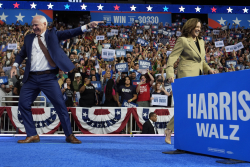
Democrats face mounting criticism over an autopsy examination that reveals gaps in both its contents and methodology. The three-pronged attack centers on what the document includes, what it omits, and the process used to produce it.
The autopsy appears designed to assess Democratic performance and identify failures in recent political contests. Critics argue the examination falls short on multiple fronts. Questions about completeness plague the review, with observers noting that key areas receive insufficient analysis or are absent entirely. The methodology itself draws fire, with skeptics questioning whether the process was rigorous enough to produce credible findings.
Party insiders and external analysts have zeroed in on specific shortcomings. Some contend the autopsy fails to adequately address structural problems within the Democratic apparatus. Others point to missing analysis on messaging strategy, candidate selection, or voter outreach failures. The preparation process raises concerns about whether the examination was conducted with sufficient independence or if political considerations influenced which topics received scrutiny.
The timing and scope of the autopsy suggest Democrats attempted a serious reckoning with recent defeats. However, the simultaneous criticism across three dimensions indicates the effort may not have achieved its intended purpose. A credible autopsy requires honest assessment of failures and honest diagnosis of root causes. When stakeholders question the completeness and rigor of such efforts, the document loses credibility as a planning tool for future success.
The controversy reflects broader Democratic tensions. The party appears divided on how deeply to examine recent failures and how candidly to assign responsibility. Some want aggressive internal reform based on tough findings. Others may prefer a narrower review that protects existing leadership and institutions. These competing interests shape what gets studied, how thoroughly, and what gets included in final reports.
Whether Democrats truly wanted an unflinching assessment or a document that performs the appearance of accountability remains contested. The criticism suggests the autopsy satisfied neither camp fully, leaving questions about whether the party will implement meaningful changes based on its findings