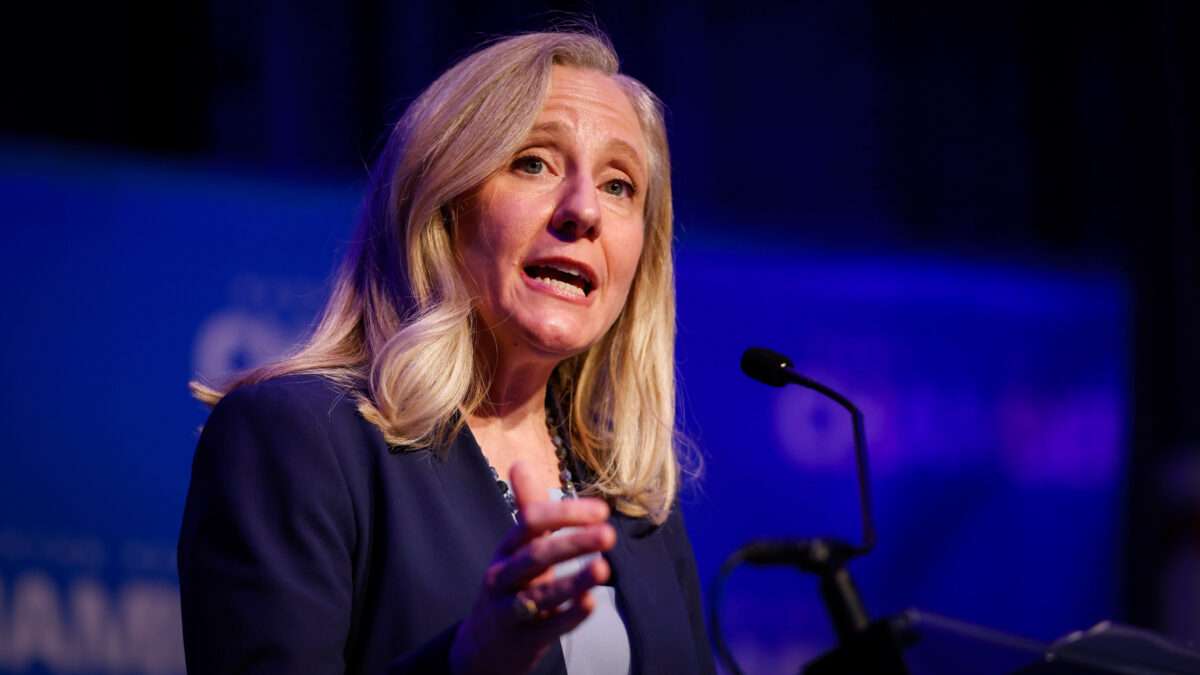
Virginia Governor Abigail Spanberger blocked legislation that would have required public sector workers to engage in mandatory collective bargaining, breaking with unions that have typically backed Democrats. The veto protects taxpayers from what fiscal analysts estimated could reach hundreds of millions in additional costs over time.
The bill passed both chambers of the Democratic-controlled Virginia legislature before reaching Spanberger's desk. Unions had pushed the measure hard, viewing it as a path to expand membership and negotiating power among state and local employees. The legislation would have forced government agencies to bargain with unions over wages, benefits, and working conditions.
Spanberger, a Democrat elected in 2021, justified the veto on fiscal grounds. Mandatory bargaining typically leads to higher labor costs as unions secure wage increases and expanded benefits packages. State budget officials warned the cumulative expense could strain Virginia's finances in future years, particularly for counties and municipalities with tighter budgets.
The decision creates tension between Spanberger and labor groups that represent Democratic constituencies. Union leaders condemned the veto as a betrayal of working people. Some progressive Democrats in the legislature had supported the bill, viewing it as pro-worker legislation.
Spanberger's move reflects a growing divide within the Democratic Party over labor policy. While progressives push aggressive pro-union measures, moderate Democrats increasingly focus on fiscal sustainability and business concerns. The governor appears to be positioning herself as pragmatic on spending while still holding Democratic support.
The veto does not kill the policy permanently. Labor groups indicated they will push the bill again in future legislative sessions, likely attempting to court Spanberger or find ways to address her budgetary concerns. Meanwhile, the decision signals Spanberger's willingness to defy unions when she views the fiscal impact as unjustifiable, a stance that could shape her political future in Virginia.