The House rejected legislation Thursday that would have authorized construction of a Smithsonian Institution museum dedicated to women's history. The bill, which had previously enjoyed bipartisan support, collapsed after Democrats withdrew backing following last-minute revisions made during a House Administration Committee markup in March.
The measure originally drew sponsorship from both Republican and Democratic lawmakers, signaling broad agreement on the project's merit. However, contentious amendments introduced during the committee process fractured the coalition. Democrats objected to the changes, which were not detailed in available reporting, and chose not to advance the bill to a floor vote.
The defeat underscores growing partisan tensions over cultural institutions and how they tell American history. Museums operated by the Smithsonian have become flashpoints in broader debates over historical narratives. Republicans and Democrats increasingly clash over how institutions frame the past, particularly regarding topics like race, gender, and social movements.
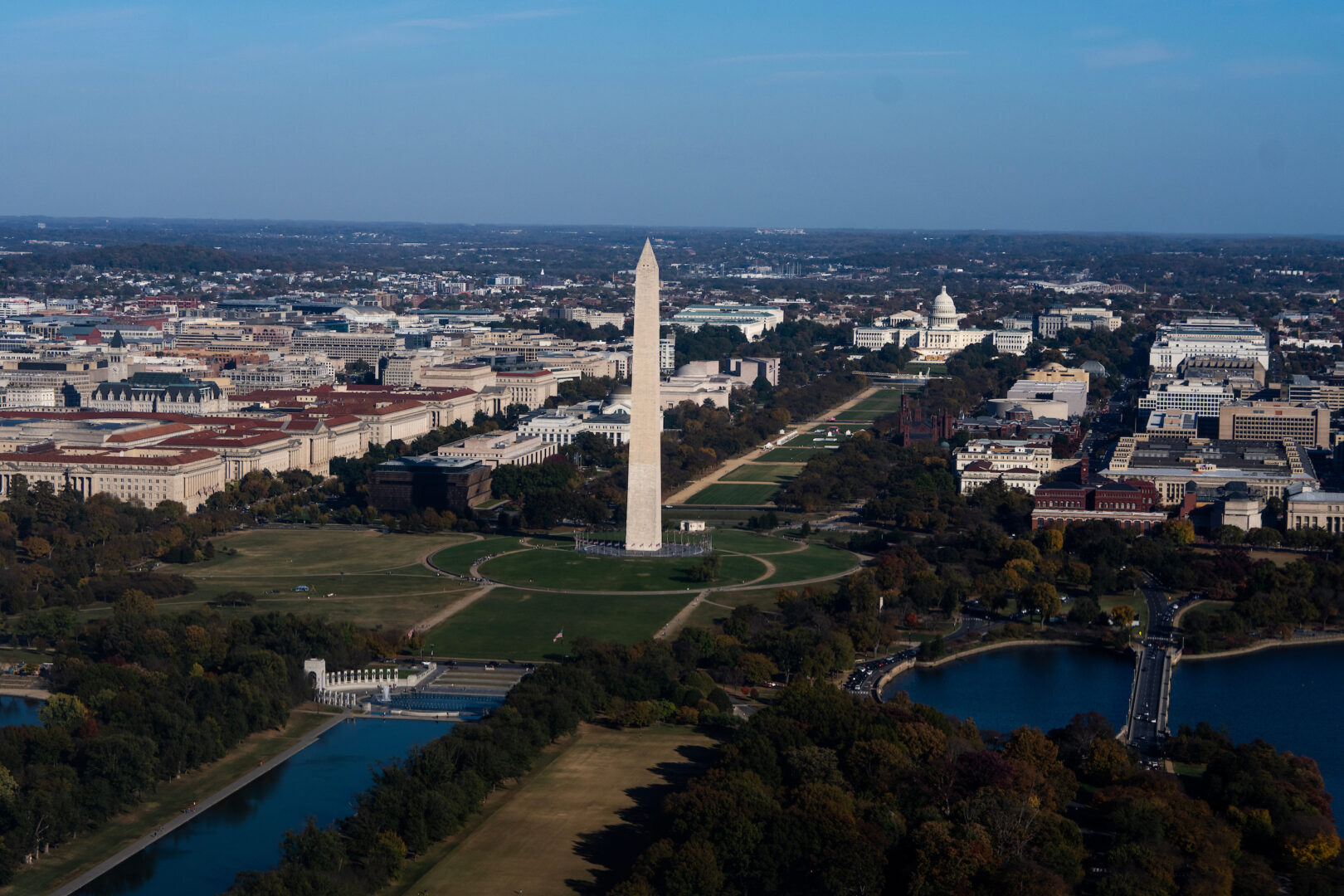
The women's museum proposal had cleared initial hurdles with cross-party support, reflecting recognition that a permanent museum honoring women's contributions to American life filled a gap in the Smithsonian's portfolio. The institution operates dozens of museums on the National Mall and elsewhere, but lacks a dedicated facility focused on women's history and achievement.
The bill's failure leaves unclear whether another bipartisan push will materialize. House Democrats signaled they will not support the current version, and negotiations to resolve the dispute have not been publicly announced. The outcome demonstrates how quickly consensus can erode when cultural projects intersect with partisan messaging strategies.
For women's history advocates, the setback represents a temporary defeat in efforts to secure federal resources for institutional recognition of women's roles in American society. The Smithsonian has exhibited women's history across multiple museums, but a dedicated venue would provide comprehensive coverage unavailable in the current structure.