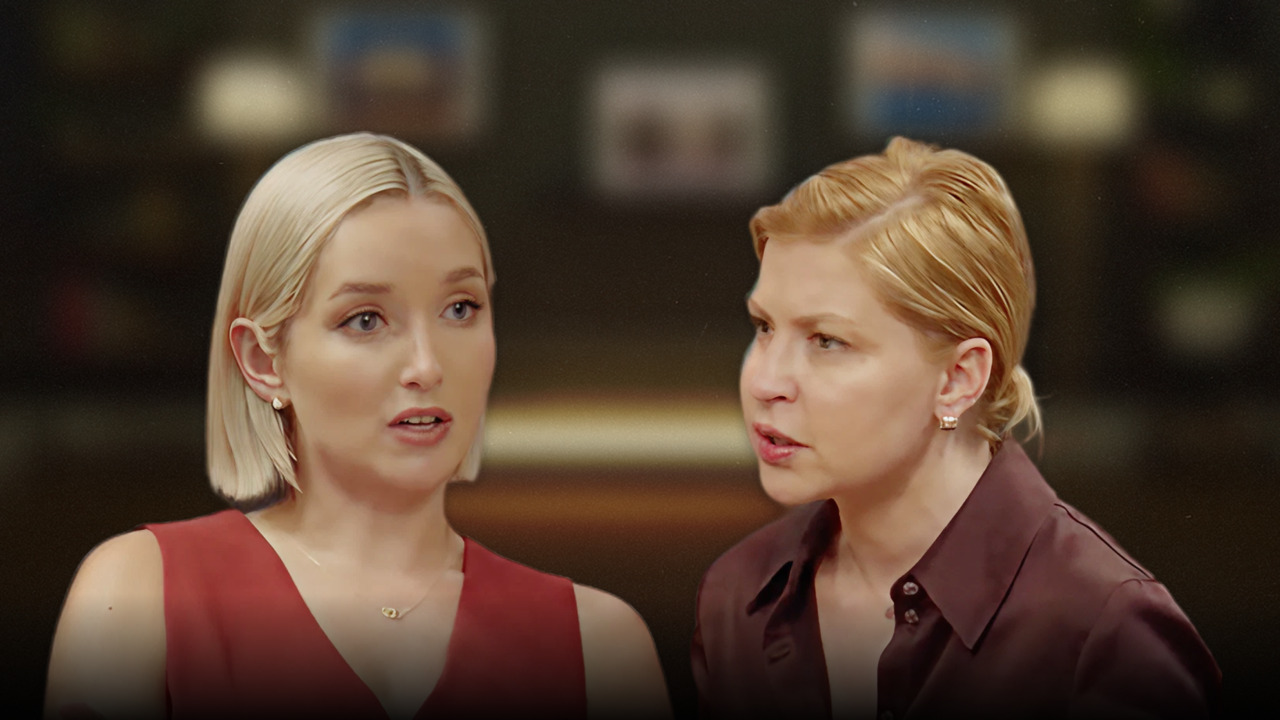
Ukraine's ambassador to the United States laid out Kyiv's priorities for peace negotiations as Donald Trump prepares to take office, signaling openness to dialogue while defending Ukraine's red lines on sovereignty and territorial integrity.
The ambassador emphasized that Ukraine remains committed to ending the war through negotiation, but rejected any settlement that would legitimize Russian territorial gains or compromise Ukraine's future NATO membership. Trump has repeatedly promised to end the conflict quickly, raising concerns in Kyiv about whether American pressure could force Ukraine into unfavorable terms.
The diplomatic positioning reflects Ukraine's delicate balancing act. Kyiv depends heavily on U.S. military aid and political support, yet fears Trump may prioritize a rapid ceasefire over Ukrainian security interests. The ambassador stressed that any deal must address Russia's invasion as an act of aggression, not a territorial dispute susceptible to compromise.
Ukraine's negotiating stance centers on several conditions. The country insists on security guarantees from Western allies, restoration of occupied territories, and accountability for Russian war crimes. The ambassador indicated that while Kyiv would discuss ceasefire terms, it would not accept frozen conflicts that leave Russian forces entrenched in Ukrainian soil.
The remarks come as Trump assembles his national security team and signals willingness to engage Russia directly on ending the war. Secretary of State nominee Marco Rubio has previously suggested the U.S. should pressure Ukraine to accept territorial concessions. This divergence between Trump's team and Ukrainian interests has alarmed European allies who worry about abandonment.
Kyiv faces mounting pressure to accept unfavorable terms as war exhaustion grows. The ambassador's comments attempt to maintain Ukrainian resolve while signaling readiness for talks. The message to Trump is clear: quick peace achieved through territorial surrender would undermine Ukraine's long-term stability and set a precedent for future Russian aggression.