# Should Billionaires Pay More Taxes?
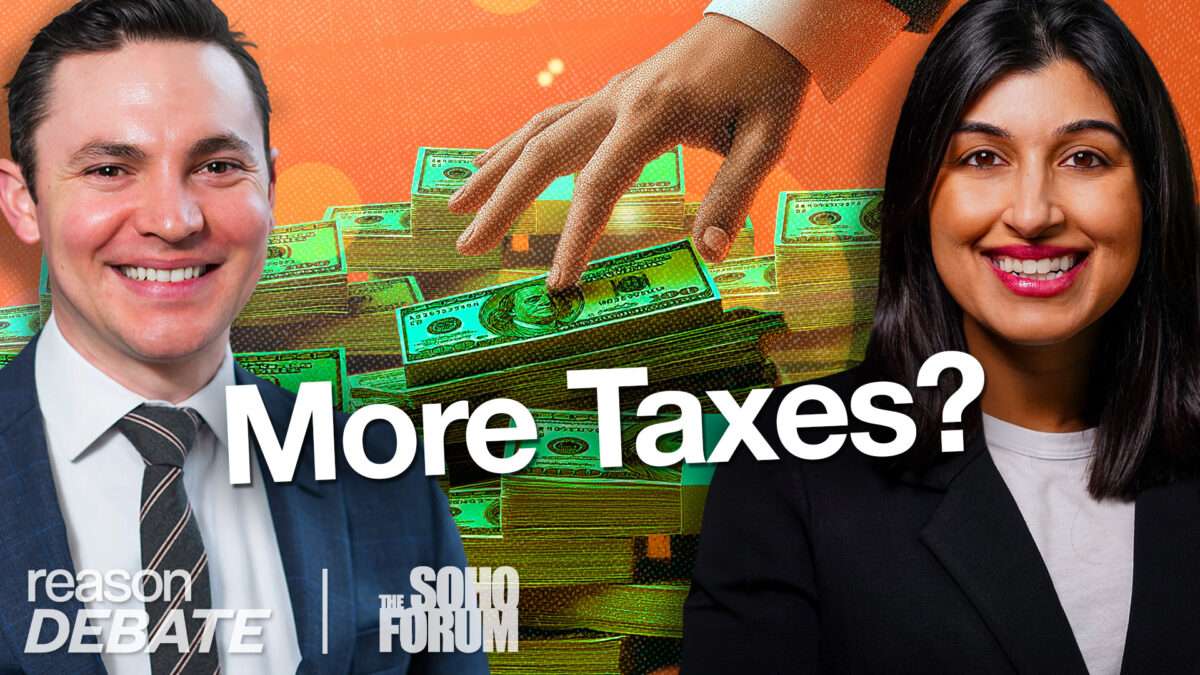
Law professor Natasha Sarin and Adam Michel of the Cato Institute squared off on taxation policy for the wealthy. Sarin argued that billionaires dodge the tax system through loopholes that ordinary earners cannot access. She pointed to mechanisms like stepped-up basis on inherited assets and unrealized capital gains strategies that allow the ultrarich to defer or eliminate tax obligations indefinitely.
Michel countered that raising taxes on billionaires would damage economic growth and investment. The Cato libertarian position holds that lower tax rates encourage entrepreneurship and capital formation. Michel contended that wealth creators already contribute disproportionately to tax revenue and that additional levies would redirect private capital away from productive uses.
The debate reflects a central tension in American tax policy. The Biden administration has pushed for higher taxes on billionaires, proposing a minimum tax on unrealized gains and strengthening IRS enforcement. Congressional Democrats have backed similar measures. Republicans and some economists warn these policies would shrink the economy, while progressives argue current rates allow the wealthy to pay less as a percentage of income than middle-class workers.
Sarin emphasized that the tax code contains provisions designed primarily for the affluent. She highlighted how wealthy individuals borrow against asset portfolios to fund consumption while avoiding capital gains taxes. Michel responded that taxing unrealized gains creates valuation problems and forces asset sales, potentially harming family businesses and farms.
The exchange underscores a fundamental disagreement about tax fairness and economic efficiency. Democrats view aggressive taxation of billionaires as necessary to fund social programs and reduce inequality. Republicans and fiscal conservatives see it as counterproductive to growth. This divide has blocked major tax legislation in recent congressional sessions and will likely define debates heading into the next election cycle.