# Summary
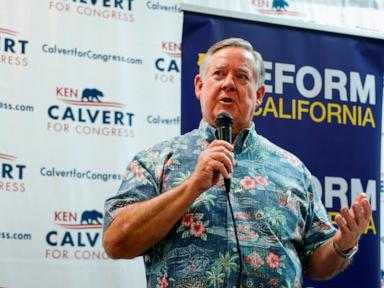
Two Republican House candidates in California are battling in a contentious primary contest centered on their loyalty to former President Donald Trump. The race reflects broader fractures within the GOP as Trump-backed candidates compete against establishment Republicans for influence within the party.
California, solidly Democratic at the statewide level, still hosts competitive House races in certain districts where Republican strength remains viable. The two candidates are using Trump alignment as a primary differentiator in their campaign messaging, with each attempting to position themselves as the true Trump loyalist to appeal to the party's conservative base.
The "nasty fight" between these rivals demonstrates how Trump continues to dominate Republican primary dynamics. Candidates compete for endorsements and momentum by staking claims to his political legacy and policy agenda. This dynamic persists even in states where Democrats hold overwhelming electoral advantages, signaling that intra-party GOP disputes over Trump's influence remain a central feature of Republican politics at all levels.
The primary contest carries limited implications for general election prospects in California's Democratic lean, but it shapes which Republican will represent the party's nomination. The winner faces an uphill general election battle against a Democratic opponent, yet the primary fight itself reveals how thoroughly Trump's political presence shapes GOP candidate recruitment and messaging strategies.
Such contests between Trump-loyal and more traditional Republican factions have reshaped House races nationwide. California's version underscores that these dynamics transcend regional politics. The state's Republican Party, while numerically disadvantaged statewide, still participates in national party realignment conversations through its primary contests and candidate selection processes.