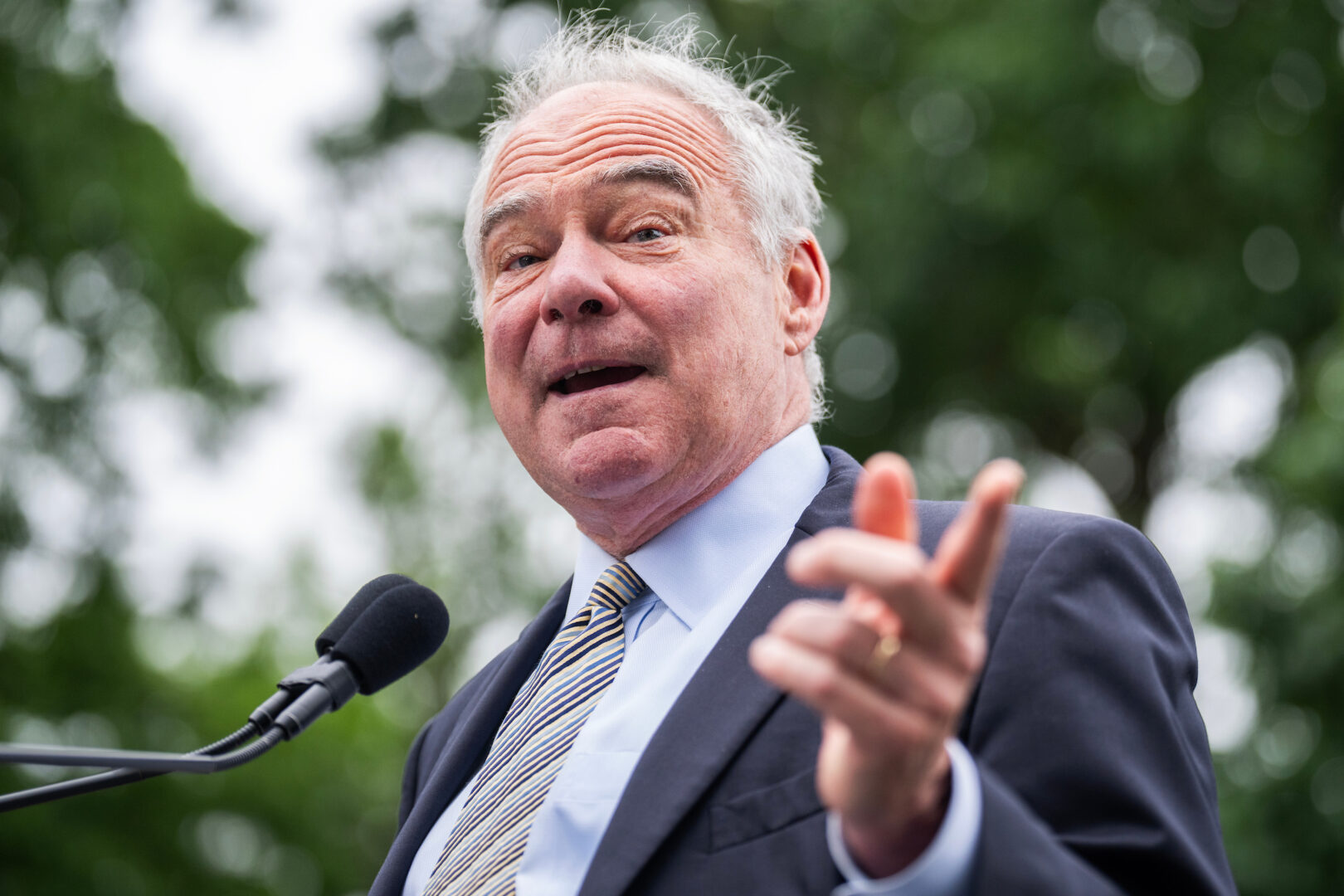
Senate Democrats Tim Kaine of Virginia, Adam Schiff of California, and Ruben Gallego of Arizona introduced a war powers resolution Thursday to block President Trump from launching military strikes against Cuba without congressional approval.
The resolution invokes the War Powers Resolution of 1973, which requires presidents to notify Congress within 48 hours of committing armed forces to military action and prohibits armed forces from remaining for more than 60 days without congressional authorization. The measure directs Trump to withdraw U.S. military forces from hostilities in or against Cuba.
The move reflects Democrat concerns about Trump's rhetoric toward Cuba and marks a return to previous efforts to constrain executive war powers. Earlier efforts by Democrats to limit Trump's military authority over other adversaries have faced Republican resistance in a chamber where the GOP holds the majority.
Kaine has long championed congressional oversight of military deployments. He previously sponsored similar resolutions regarding military operations in Yemen and Iran. Schiff, a prominent Trump critic on the House Intelligence Committee during the first Trump administration, brings consistent skepticism of unilateral executive action.
Gallego, an Air Force veteran, adds military credibility to the effort. His participation signals that even Democrats with defense backgrounds view Trump's Cuba posture as potentially reckless.
The resolution faces steep odds. Republicans control the Senate and typically support presidential war powers authority. Senate Majority Leader John Thune and other GOP leaders have resisted Democratic attempts to constrain Trump's foreign policy options.
Trump's rhetoric on Cuba has escalated, referencing potential military intervention and criticizing the Biden administration's approach to the island nation. Democrats argue such loose talk about military action requires preventive legislative guardrails.
The resolution serves multiple purposes. It formally documents Democratic opposition to potential Cuba military action, creates a procedural vehicle for debate, and attempts to establish a legislative record that could constrain Trump politically even if the