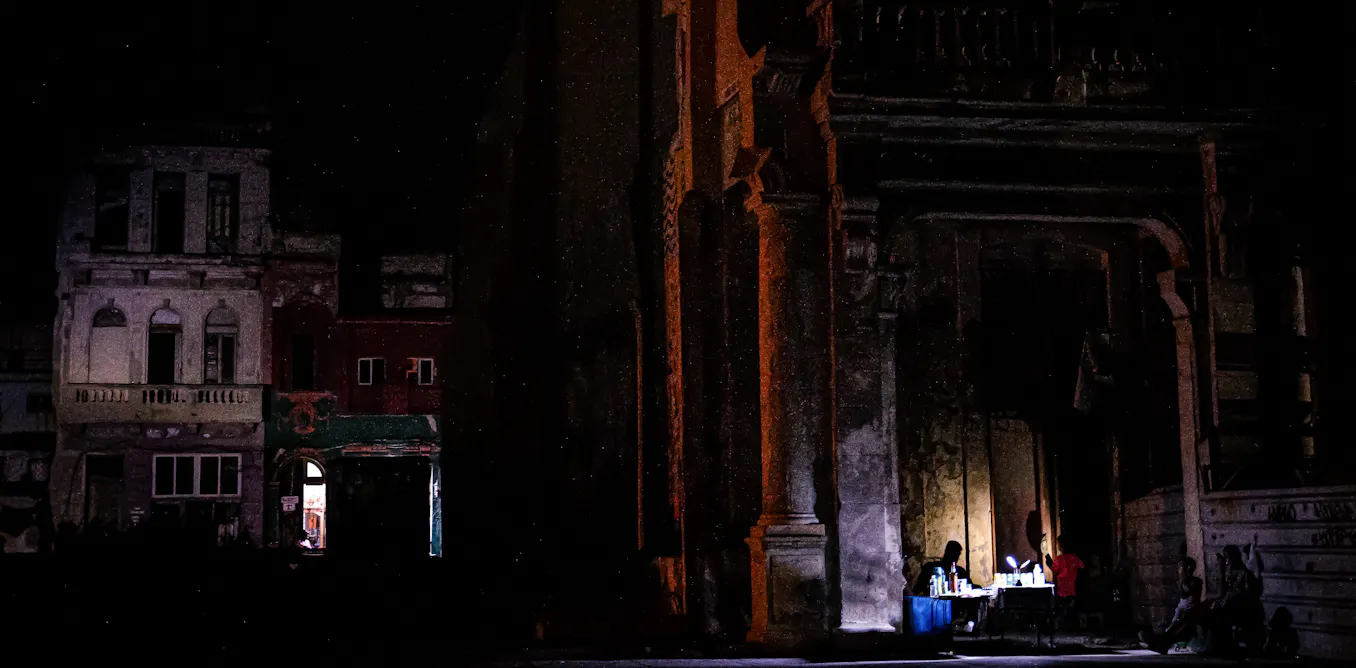
Cuba faces a deepening energy crisis that extends far beyond what humanitarian aid can address. The island nation's power grid has collapsed repeatedly over recent months, leaving citizens without electricity for hours daily. Blackouts have crippled hospitals, schools, and businesses across the country.
The root causes run deep. Cuba's refineries cannot process the heavy crude oil it receives from Venezuela, its primary energy supplier. That relationship has deteriorated as Venezuela itself struggles economically. The island's aging power plants, many built decades ago, break down frequently. Fuel shortages mean generators sit idle. Infrastructure decay accelerates the cycle.
Short-term humanitarian aid, while helping vulnerable populations survive blackouts, does nothing to modernize Cuba's energy infrastructure or diversify its fuel sources. Temporary shipments of diesel or generators address symptoms, not the disease.
Long-term solutions require structural change. Cuba needs investment in renewable energy, particularly solar and wind capacity. The island sits in a region with consistent sun and ocean winds. Building these systems demands capital Cuba lacks and technology transfer agreements the U.S. embargo restricts.
Repairs to existing refineries could help process Venezuela's crude more efficiently. But that also requires capital and spare parts difficult to obtain under sanctions.
The political dimension complicates matters. The U.S. maintains its decades-long embargo on Cuba, limiting trade and investment. The Biden administration has not substantially eased restrictions. Castro-era governance structures offer little incentive for private sector innovation in energy development.
Without major policy shifts either from Washington or Havana, Cuba's energy situation will worsen. The humanitarian toll grows daily. Citizens face heat-related illness, food spoilage, and economic paralysis. Medical care deteriorates as hospitals operate on generators.
Cuba's government must pursue renewable energy development and seek international partnerships. The U.S. could ease embargo restrictions on energy infrastructure. Regional partners could provide technical assistance.