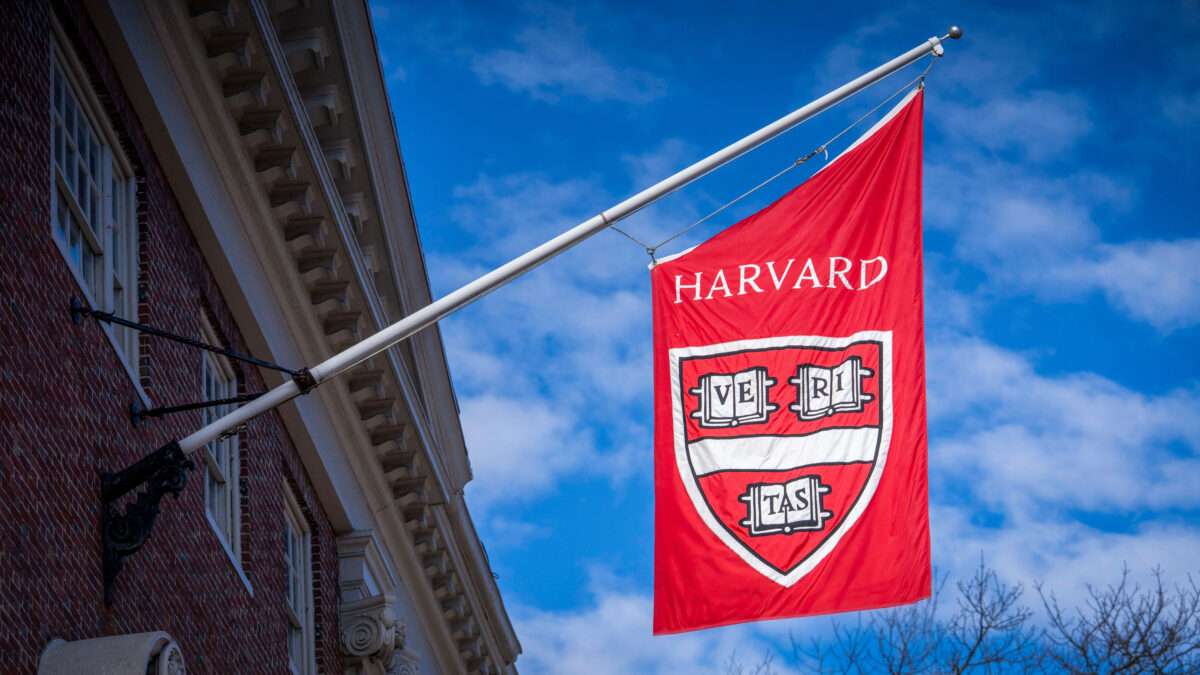
Harvard's faculty voted to impose a 20 percent cap on A grades starting next fall, a move designed to reverse decades of grade inflation that has seen nearly 60 percent of all marks awarded in 2025 reach the A level.
The policy requires departments to limit A grades to no more than one-fifth of their student enrollment in undergraduate courses. Faculty approved the measure after years of debate over whether inflated grades undermine academic rigor and diminish the value of a Harvard degree in the job market.
Grade inflation at Harvard reflects a broader trend in American higher education. When A's become the default rather than the exception, employers struggle to distinguish high performers from mediocre ones. The university's administration framed the cap as a restoration of meaningful standards.
The new rule applies immediately to courses offered in fall 2025. Departments retain flexibility in how they distribute grades within their allocations. Some courses may still award no A's, while others could hit the 20 percent ceiling.
Faculty resistance centered on concerns that strict caps could incentivize curving, force arbitrary grade distributions unconnected to actual student performance, and disadvantage students competing for graduate school admissions. Harvard's prestige attracts high-performing students, some argued, so high average grades reflect enrollment composition rather than declining standards.
The university's dean of undergraduate education defended the measure as necessary for institutional credibility. He noted that Harvard's graduates should demonstrate genuine excellence, not simply attendance at the institution.
Similar efforts have occurred elsewhere. Princeton implemented an A-grade cap in 2004. Yale and other elite universities maintain implicit limits through course evaluation expectations. Harvard's explicit policy represents a more aggressive intervention.
The decision reflects tension between preserving institutional standards and accommodating an increasingly competitive academic environment where grades affect graduate school admissions, scholarships, and career placement. How departments navigate the cap's implementation will determine whether the policy meaningfully changes academic expectations