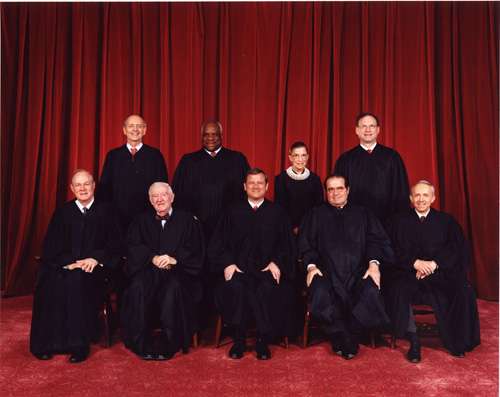
The Supreme Court fundamentally reshaped civil litigation standards on May 21, 2007, when it decided Bell Atlantic Corp. v. Twombly. The ruling raised the threshold for what plaintiffs must plead to survive a motion to dismiss at the early stage of a lawsuit.
The case centered on whether consumers and competitors could challenge an alleged conspiracy among major telecommunications companies to stifle competition. Lower courts had allowed the lawsuit to proceed based on general allegations of parallel business conduct. The Supreme Court reversed course.
Justice David Souter, writing for the majority, held that plaintiffs must plead "plausible" grounds for relief, not merely possible ones. This standard replaced the lenient "notice pleading" framework that had governed federal civil procedure for decades. Under the new approach, judges evaluate whether allegations suggest a strong inference of wrongdoing before discovery even begins.
The decision made it substantially harder for plaintiffs to pursue claims against large corporations and defendants. Critics argued Twombly created barriers to litigation for individuals with legitimate grievances but limited access to information. Supporters contended it filtered out meritless suits and prevented expensive discovery burdens on defendants.
The ruling carried sweeping implications for employment discrimination, securities fraud, antitrust, and civil rights cases. Subsequent decisions expanded Twombly's reach. In Ashcroft v. Iqbal two years later, the Court applied heightened pleading standards to all civil cases, cementing a more restrictive approach to federal litigation.
Legal scholars remain divided on Twombly's legacy. Some credit it with promoting judicial efficiency. Others view it as a retreat from access to justice and the historical framework of notice pleading established by the Federal Rules of Civil Procedure in 1938. The decision reflects an ideological shift toward judicial skepticism of plaintiff claims and protective attitudes toward defendants facing litigation.