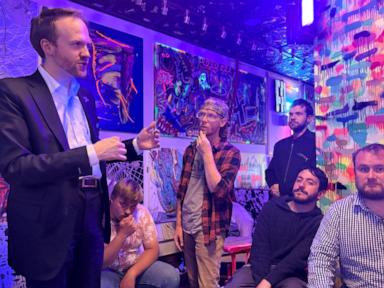
A group of young Republicans in Kentucky meets monthly to discuss politics and air frustrations about their party's direction and Donald Trump's leadership. The gatherings reveal a generational divide within the GOP, where younger members struggle to reconcile their conservative principles with Trump's dominance of Republican politics.
These meetings reflect broader tensions shaking the Republican Party. Young Republicans nationwide have grown increasingly vocal about concerns ranging from Trump's rhetoric to the party's stance on issues like climate change and social policy. In Kentucky, a traditionally red state, these younger members find themselves caught between loyalty to Republican principles and discomfort with the party's current trajectory.
The group's regular meetings serve as informal forums where members can voice doubts without immediate political consequences. Participants discuss whether the party still represents their values and whether Trump's continued influence helps or hurts Republican prospects in coming elections. Some express concern that Trump's polarizing style alienates younger voters and women, demographics critical for future GOP success.
This Kentucky example mirrors similar conversations happening in Young Republican clubs and college-based conservative groups across the country. Party strategists recognize the challenge. If young Republicans become disillusioned and either leave the party or reduce their activism, the GOP faces long-term electoral problems.
The meetings also highlight questions about the party's future direction. Will Republicans continue centering their identity around Trump, or will they attempt to rebuild a broader coalition? Young Republicans wrestling with these questions now may shape the answer. Their willingness to express disappointment openly suggests some are prepared to push back against Trump's influence within party structures, though whether they possess enough collective power remains uncertain.