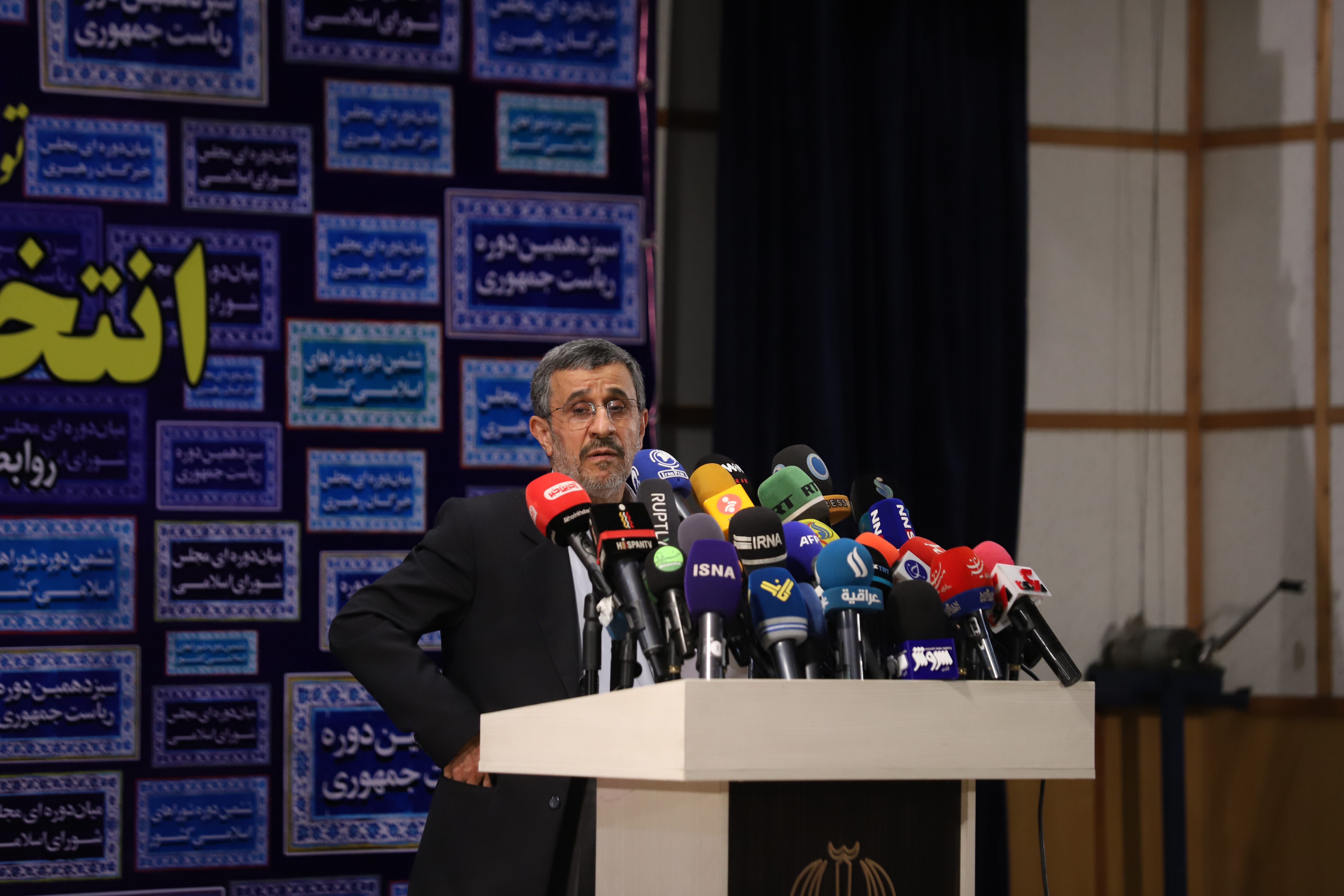
Former Iranian President Mahmoud Ahmadinejad remains a polarizing figure whose continued political activity serves Israeli interests while harming ordinary Iranians, according to reporting from The Intercept. The analysis reveals a paradox in Western foreign policy toward Iran.
Ahmadinejad, who led Iran from 2005 to 2013, built his presidency on confrontational rhetoric toward the United States and Israel while claiming to represent the Iranian poor. His government pursued nuclear development, defied international sanctions, and consolidated power through repression of political opponents and religious minorities.
Yet new reporting indicates that Israeli and American policymakers, despite public opposition to Ahmadinejad's government, benefited from his divisive role in Iranian politics. His inflammatory statements about Israel and the West, combined with his domestic repression, created justification for Israeli military posturing and Western sanctions that ultimately harmed Iranian civilians through economic hardship rather than changing government behavior.
Ahmadinejad's recent return to public prominence has revived these dynamics. In 2024, he registered to run for Iran's presidential election, drawing international attention. His candidacy exposed a deeper hypocrisy. Western governments claimed to support Iranian democratic reform and human rights, yet they had tacitly accepted a leader whose divisive presence strengthened hardliners while weakening reformers seeking moderation.
The reporting documents how this dynamic persists. Israeli officials and American policymakers have repeatedly cited Ahmadinejad's rhetoric and Iran's nuclear program as existential threats, yet their policies prioritized confrontation over supporting genuine Iranian civil society movements seeking democratic change from within.
Iranian citizens bear the costs. Economic sanctions imposed during and after Ahmadinejad's presidency decimated the middle class and strengthened the Revolutionary Guards' control over the economy. Meanwhile, the cycle of Iranian provocation and Western punishment continued regardless of who held