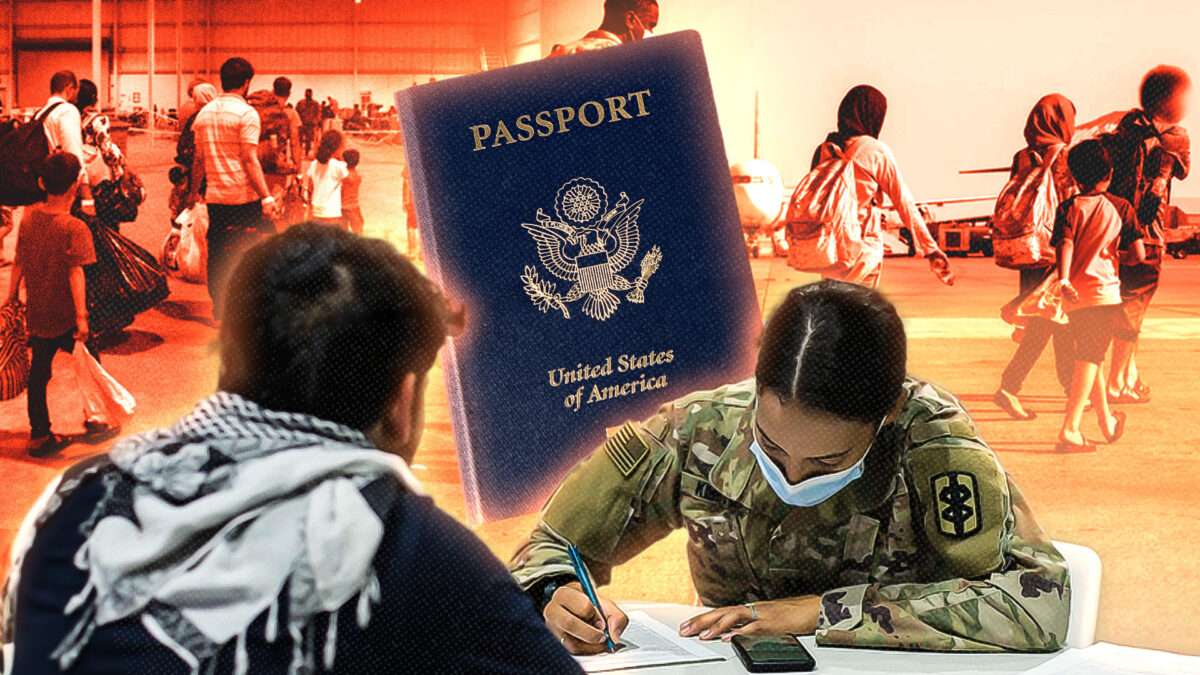
A former immigration official argues that modern biometric passport systems have removed the human discretion that once allowed bureaucrats to bend rules for humanitarian purposes. The author, writing in Reason, reflects on their own experience attempting to help someone through the immigration process, only to find that contemporary digital security measures eliminated their ability to make exceptions.
The piece critiques how technological safeguards, while effective at preventing fraud and forgery, have created rigid systems where individual judgment carries no weight. Facial recognition, fingerprint databases, and encrypted credentials now govern entry and asylum decisions with little room for case-by-case moral reasoning.
The author suggests this represents a tradeoff between security and compassion. Previous immigration systems, despite their vulnerabilities to fraud, allowed officials to occasionally override procedures when lives hung in the balance. A bureaucrat could authorize entry for someone fleeing persecution even if documentation fell short. Modern biometric systems eliminate that discretion entirely.
This raises a governance question about whether perfect security serves the public interest when it prevents humanitarian intervention. The author does not advocate returning to easily forged documents but questions whether entirely automated processes capture all the nuance required for immigration decisions, particularly in cases involving asylum seekers or refugees.
The argument resonates in broader debates about automation and bureaucracy. Policymakers increasingly implement systems designed to prevent any deviation from rules. This eliminates corruption but also eliminates mercy. The author's personal experience demonstrates that cost: technology has made rule-bending impossible, even when rule-bending might save lives.
The piece does not provide specific policy recommendations but frames the issue as a legitimate tension in modern governance. Security improvements and human compassion need not be entirely opposed, the author implies, yet current technology architecture forces that choice.