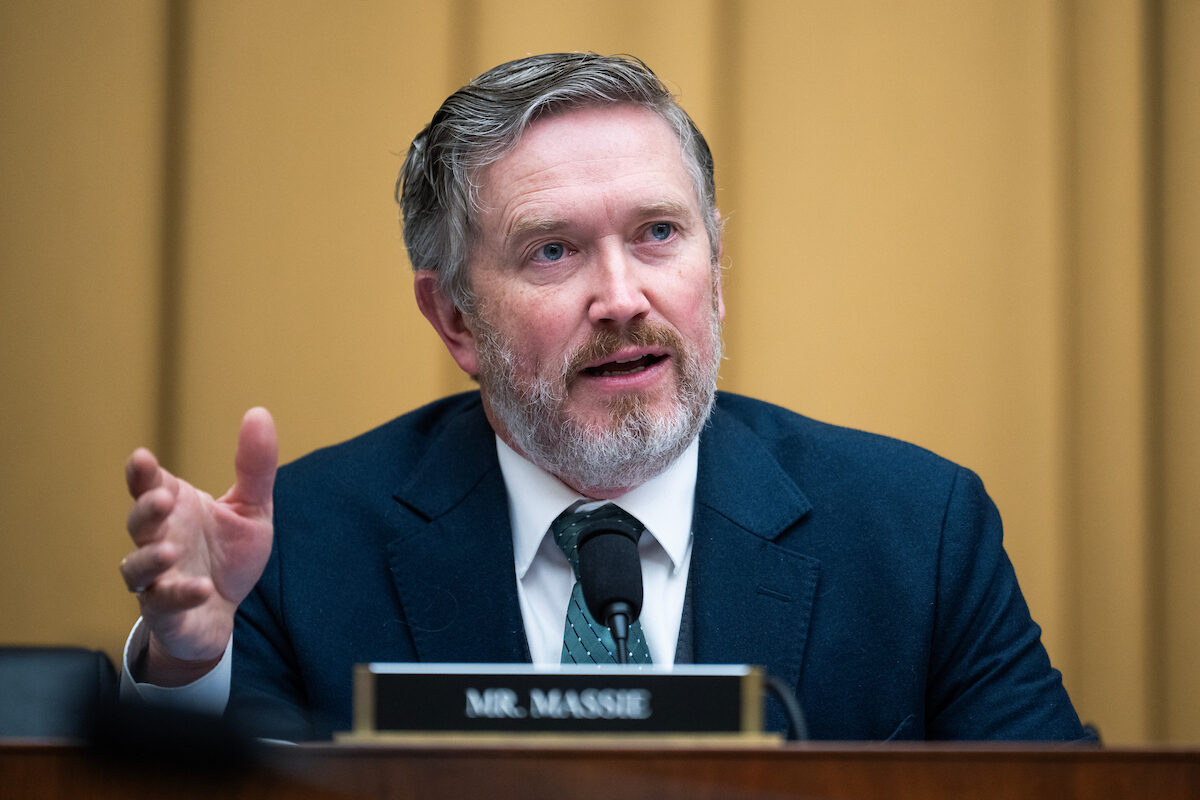
Donald Trump's endorsement proved decisive in eastern Kentucky, where his chosen candidate defeated Republican Rep. Thomas Massie in Tuesday's primary election. Massie, a fiscal conservative with libertarian leanings, fell to Trump's preferred challenger in a contest that underscores the former president's continued grip on Republican primary voters.
Massie, who has represented Kentucky's 4th District since 2012, cultivated a reputation as a principled deficit hawk willing to challenge party leadership. His willingness to buck Trump and other Republicans on fiscal spending bills, military interventions in Iran, and demands to release Jeffrey Epstein-related documents made him a reliable contrarian voice in the House GOP caucus. That independence became his liability in a party increasingly defined by loyalty to Trump.
The primary outcome reflects the persistent power Trump wields over Republican nominations two years after leaving office. Candidates bearing his endorsement continue to outperform opponents even in races involving established incumbents. In this case, Trump's backing proved sufficient to overcome Massie's incumbency advantage and his years of constituent service in the 4th District.
Massie's defeat carries implications for Republican messaging on fiscal responsibility. His libertarian approach to spending and foreign policy represented a shrinking faction within a GOP increasingly focused on Trump's populist agenda. With Massie gone, the House Republican caucus loses one of its most consistent voices criticizing defense spending and military adventurism abroad.
The race also signals that primary challenges to sitting Republicans who criticize Trump remain viable and dangerous. Massie's loss joins a growing list of incumbent Republicans who found that committee assignments, legislative records, and constituent service matter less than demonstrating fealty to the former president. Trump-endorsed challengers in 2022 and 2024 have repeatedly shown capacity to overtake sitting members of Congress, reshaping the Republican Party's ideological center of gravity toward Trump's