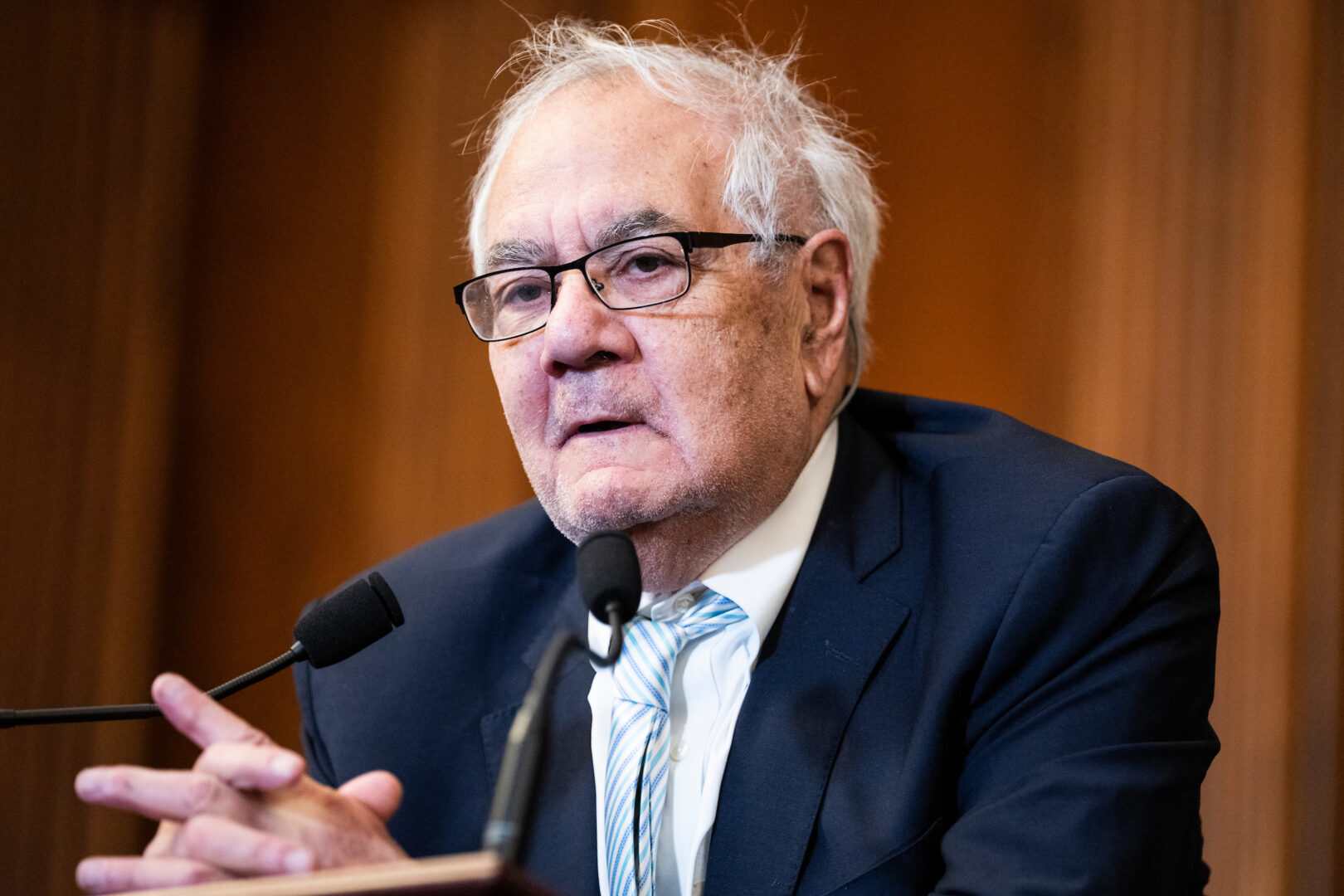
Barney Frank, the Massachusetts Democrat who became the first member of Congress to voluntarily announce his sexual orientation and later chaired the House Financial Services Committee during the 2008 financial crisis, died Tuesday at age 86.
Frank represented Massachusetts' 4th district from 1981 to 2013, building a career marked by sharp intellect and fierce advocacy for progressive causes. His decision to come out publicly in 1987 made him a trailblazer for LGBTQ representation in elected office at a time when such announcements carried substantial political risk.
Frank ascended to the Financial Services Committee chair in 2007, positioning him at the center of the government's response to the worst economic collapse since the Great Depression. He worked with Treasury Secretary Henry Paulson and Federal Reserve Chair Ben Bernanke to architect the bank bailout and regulatory overhaul. The Dodd-Frank Act, passed in 2010 and named after Frank and Senator Chris Dodd, became the most comprehensive financial regulation reform since the 1930s. The law established the Consumer Financial Protection Bureau, imposed capital requirements on large banks, and created the framework for unwinding failing institutions.
Known for his acerbic wit and command of complex financial policy, Frank became one of the most influential lawmakers of his generation. His legislative legacy extended beyond finance to healthcare, housing, and civil rights. He was a vocal advocate for marriage equality decades before the Supreme Court's 2015 Obergefell decision legalized same-sex marriage nationwide.
Frank retired from Congress in 2013 and later served as a senior advisor at Fannie Mae. He remained a public intellectual, writing books and contributing to policy debates long after leaving elected office. His pioneering visibility as an openly gay member of Congress helped normalize LGBTQ participation in politics and government.