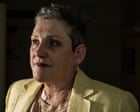
Labour MP Ashley Dalton, a former public health minister, has publicly opposed efforts to revive assisted dying legislation even as she battles terminal metastatic breast cancer. Dalton disclosed that she requires lifelong treatment for cancer that has spread throughout her body, yet she warned parliamentary colleagues against reintroducing the bill.
In an exclusive interview, Dalton stated that rejected amendments could have strengthened the original proposal but that it ultimately became "a pretty dangerous set of affairs." Her position carries particular weight given her medical diagnosis and her prior government role overseeing public health policy.
The assisted dying bill would have legalised medical assistance in death for people with terminal illness. Parliament previously rejected the legislation, with opponents citing safeguarding concerns and disabled rights advocates warning of coercive pressures on vulnerable patients. Supporters argue the measure offers autonomy to dying individuals facing unbearable suffering.
Dalton's intervention reflects ongoing debate within Labour ranks over the issue. While some members support legalisation with strict safeguards, others share concerns about potential risks to disabled populations or elderly patients facing financial or familial pressure. The party leadership has not committed to revisiting the question.
Dalton's stance matters because her medical condition lends credibility to arguments that concerns about the bill's framework outweigh personal circumstances. She does not argue that assisted dying is inherently wrong, but rather that the specific legislative approach previously proposed contained inadequate protections.
The timing of her comments suggests Parliament may face renewed pressure to debate the issue. Previous defeated bills included eligibility criteria, waiting periods, and verification requirements, yet opponents argued these safeguards remained insufficient. Dalton's critique of the rejected amendments indicates even sympathetic MPs found the final version problematic.
Her disclosure also highlights how public figures with terminal diagnoses navigate these conversations. Rather than use her diagnosis to advocate for assisted dying access, Dalton chose to emphas