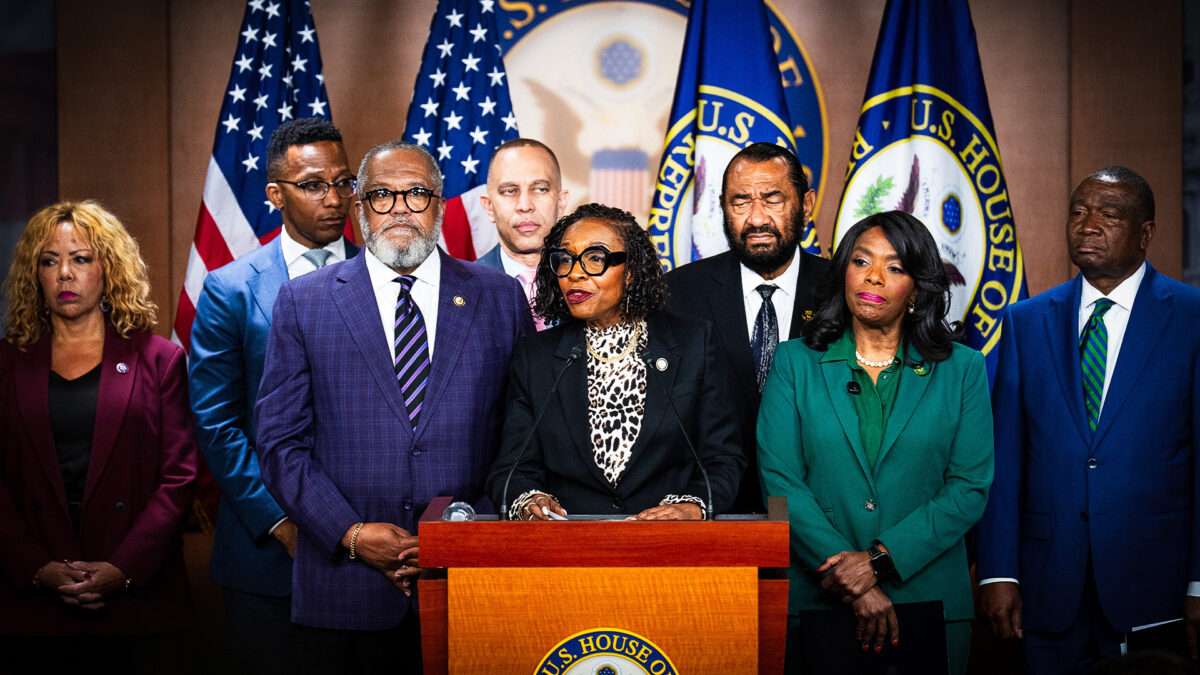
Members of the Congressional Black Caucus announced opposition to college sports legislation currently circulating in Congress, citing concerns that the bill fails to address gerrymandering in higher education athletic conferences.
The caucus argues that conference realignment driven by financial incentives creates inequities that disproportionately harm historically Black colleges and universities. While the bill proposes NCAA reforms and athlete compensation structures, CBC members contend it ignores the structural barriers that exclude Black institutions from lucrative conference memberships.
The opposition stalls NCAA reform efforts that have gained bipartisan traction. The legislation, which would grant athletes limited name, image, and likeness rights while establishing a governance framework for college sports, has faced competing priorities in a crowded legislative calendar. Senate lawmakers have shifted focus toward betting regulations and sporting integrity provisions, pushing the broader NCAA reform package further down the agenda.
The disagreement reflects deeper tensions within Democratic coalitions on education policy. The CBC's position prioritizes the institutional survival of Black colleges over athlete compensation reforms that would primarily benefit programs at major universities. This calculus differs from progressive lawmakers prioritizing athlete rights and labor protections.
Congressional negotiations continue, but the CBC's stance introduces a new complication. Leadership must now decide whether to modify the bill to include HBCU protections or proceed without caucus support. Either path carries political costs. Stripping athlete benefits to appease HBCUs alienates other Democratic constituencies. Advancing the bill unchanged risks fracturing the party base and reducing Black college representation in future negotiations.
Senate discussions on sports betting remain separate from NCAA reform but highlight Congress's expanding interest in regulating collegiate athletics. Private equity involvement in youth sports development adds another dimension, with lawmakers considering disclosure requirements and investor protections.
The stalemate demonstrates how education, labor, and civil rights concerns intersect in sports policy. Resolution requires caucus members to secure concrete commitments on HBCU inclusion before