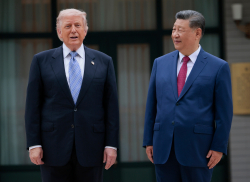
The United States maintains decisive financial and economic advantages over China despite widespread perceptions of American decline, according to recent analysis. While Beijing's summit last week sparked renewed discussion about U.S. power erosion and China's rise to superpower status, the financial sector tells a different story.
American financial markets dwarf China's in scope, sophistication, and global reach. The dollar remains the world's reserve currency, a status Beijing cannot challenge in the near term. U.S. capital markets attract international investment at scales China cannot match, giving American companies and the federal government superior access to funding. The financial technology sector, from payment systems to asset management platforms, remains dominated by American firms.
Meanwhile, China faces structural economic headwinds that constrain its ability to compete. Growth has slowed considerably from the double-digit expansion rates of previous decades. The Chinese property sector, which fueled much of the nation's recent development, faces a prolonged downturn. Demographic challenges from decades of the one-child policy limit workforce growth. These factors combine to create stagnation in critical sectors where financial strength determines geopolitical influence.
The contrast between narrative and reality matters for policy. Political figures and analysts often describe the U.S.-China competition as one where America loses ground continuously. This framing can demoralize allies and embolden Beijing. Yet in financial markets, where money determines military capacity, technological advancement, and global influence, American dominance persists.
This advantage is not permanent. China's leadership remains focused on long-term development strategies. But current trajectories show Washington winning by default rather than losing by design. Recognizing where America retains strength proves essential for crafting realistic foreign policy and avoiding unnecessary panic about relative decline.