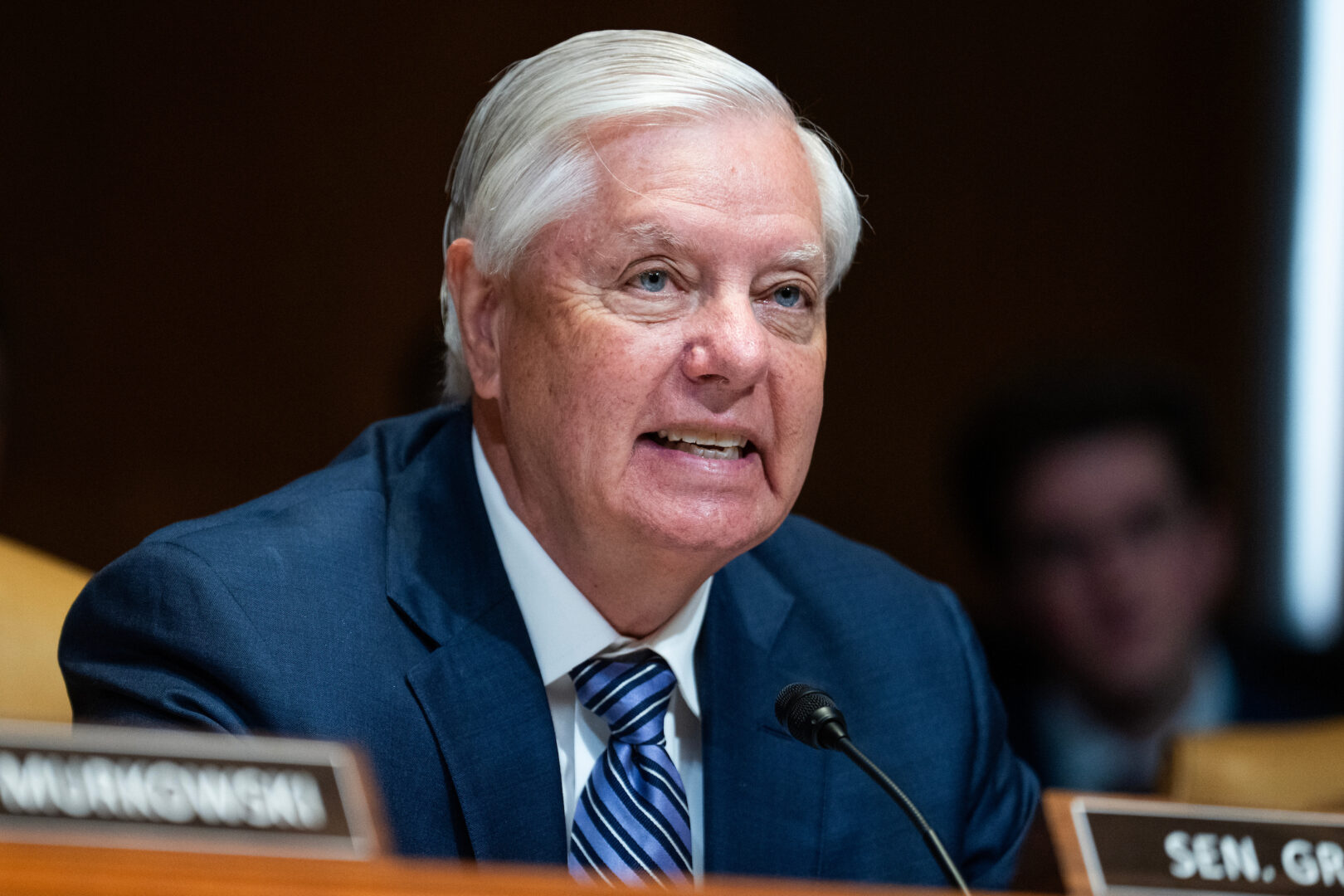
Senate Budget Chairman Lindsey Graham signaled Monday that Republicans may abandon $1 billion in Secret Service funding tied to White House ballroom security improvements within a reconciliation bill centered on immigration enforcement.
Graham's comments reflect growing GOP skepticism about the ballroom project among party members in both chambers. The funding faced pushback from multiple Republicans who questioned its necessity and priority within legislation aimed at border control and immigration policy.
Reconciliation bills allow the Senate to bypass the filibuster and pass legislation with a simple majority, making them attractive vehicles for contentious partisan priorities. Including non-immigration spending in such a bill typically invites internal party objections, particularly when members view expenditures as wasteful or tangential to the bill's core mission.
The ballroom security funding represents a smaller item within broader reconciliation negotiations, but its presence illustrates tensions over spending priorities within the GOP caucus. Some Republicans view additional White House security infrastructure as justified; others see it as extraneous to reconciliation's immigration focus.
Graham's willingness to discuss dropping the provision suggests Republicans may be reassessing the package's composition to maintain caucus unity. Losing even moderate support could jeopardize passage, given razor-thin margins in both chambers.
The statement came as reconciliation negotiations continued on Capitol Hill. Republican leaders must balance competing demands from their membership while advancing their legislative agenda. Including provisions that face internal resistance risks derailing the entire package.
Whether the Secret Service funding survives likely depends on broader negotiations over the bill's structure and other provisions. Graham's openness to eliminating it positions him as pragmatic about trade-offs necessary to move legislation forward, though it also signals the funding lacks universal GOP support.
The development reflects how reconciliation bills often become vehicles for horse-trading and compromise rather than straightforward policy vehicles. When items face sufficient internal opposition, sponsors typically jettison them to preserve the broader legislative effort.