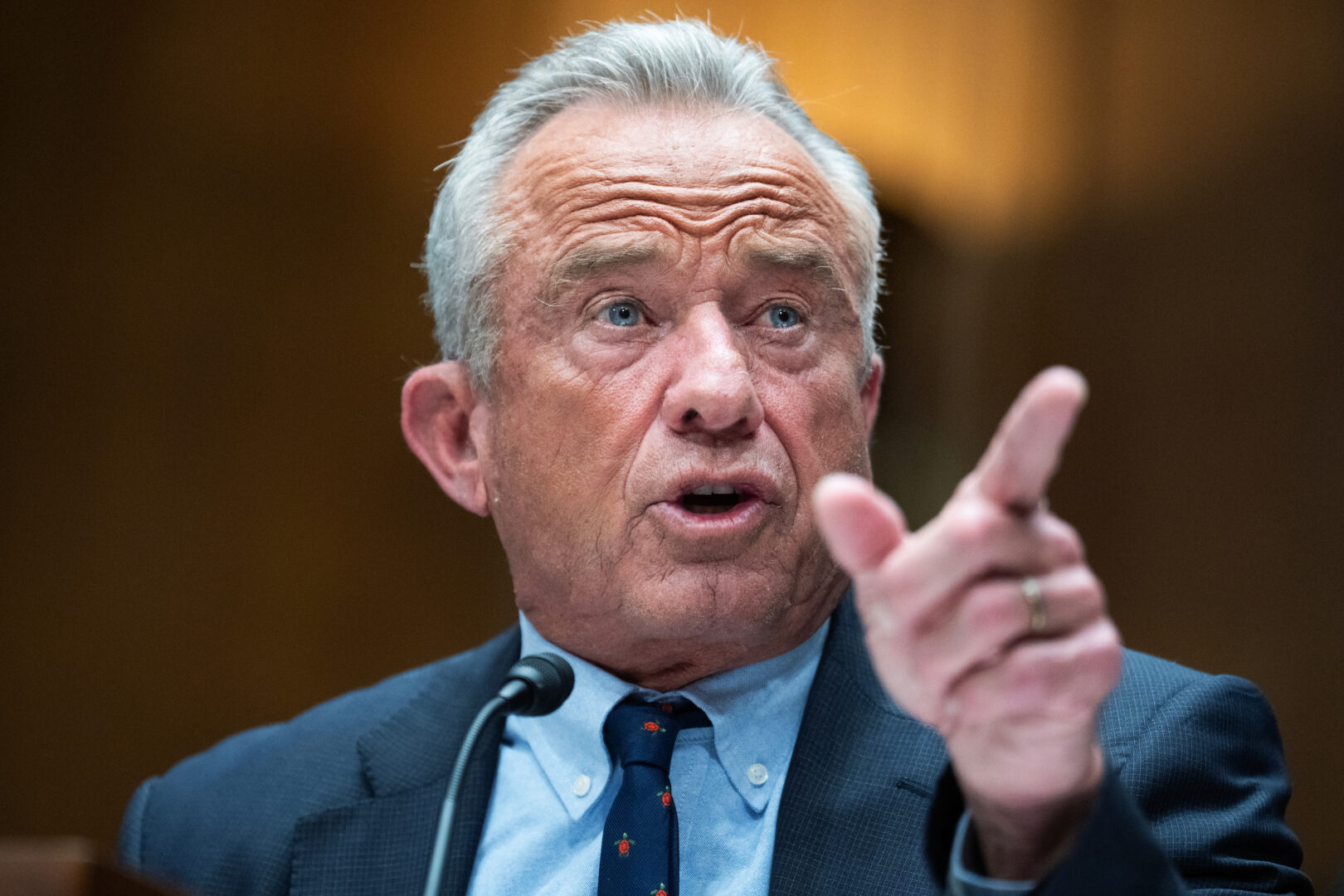
Robert F. Kennedy Jr. brought unconventional health views into the HHS Secretary role when he assumed leadership in February 2025, raising concerns among public health officials about whether his personal wellness philosophy will shape federal policy at scale.
Kennedy pledged to eliminate special interests from the Department of Health and Human Services and anchor decisions in "gold-standard science." Yet his public positions on vaccines, fluoridation, and dietary approaches diverge sharply from scientific consensus. His nomination by President Donald Trump signaled the administration's willingness to challenge established public health orthodoxy.
The concern centers on whether Kennedy's lifestyle choices and personal health beliefs will drive departmental directives affecting millions of Americans. His vocal skepticism toward vaccine safety and pharmaceutical companies has alarmed medical professionals who fear erosion of vaccination programs that public health experts credit with preventing disease outbreaks.
Kennedy's influence extends beyond rhetoric. As HHS Secretary, he controls substantial federal resources, regulatory authority, and the agency's research agenda. The department oversees Medicare, Medicaid, the FDA, CDC, and NIH. Decisions made under his leadership on vaccine recommendations, nutrition guidelines, and pharmaceutical approval processes carry immediate consequences for public health infrastructure.
Public health advocates worry the gap between Kennedy's stated commitment to rigorous science and his actual policy record creates dangerous contradictions. His long history opposing vaccines based on disputed links to autism contradicts decades of peer-reviewed research finding no connection.
The administration positioned Kennedy's appointment as a clean break from establishment health bureaucracy that prioritizes pharmaceutical interests over citizen welfare. Kennedy has framed his approach as returning authority to individual choice and reducing federal overreach in health decisions.
The practical tension emerges in implementation. Will HHS directives reflect epidemiological data or Kennedy's personal convictions about health risks and treatments. Early months will reveal whether his department genuinely follows evidence-based science or whether his lifestyle-driven worldview becomes official policy,