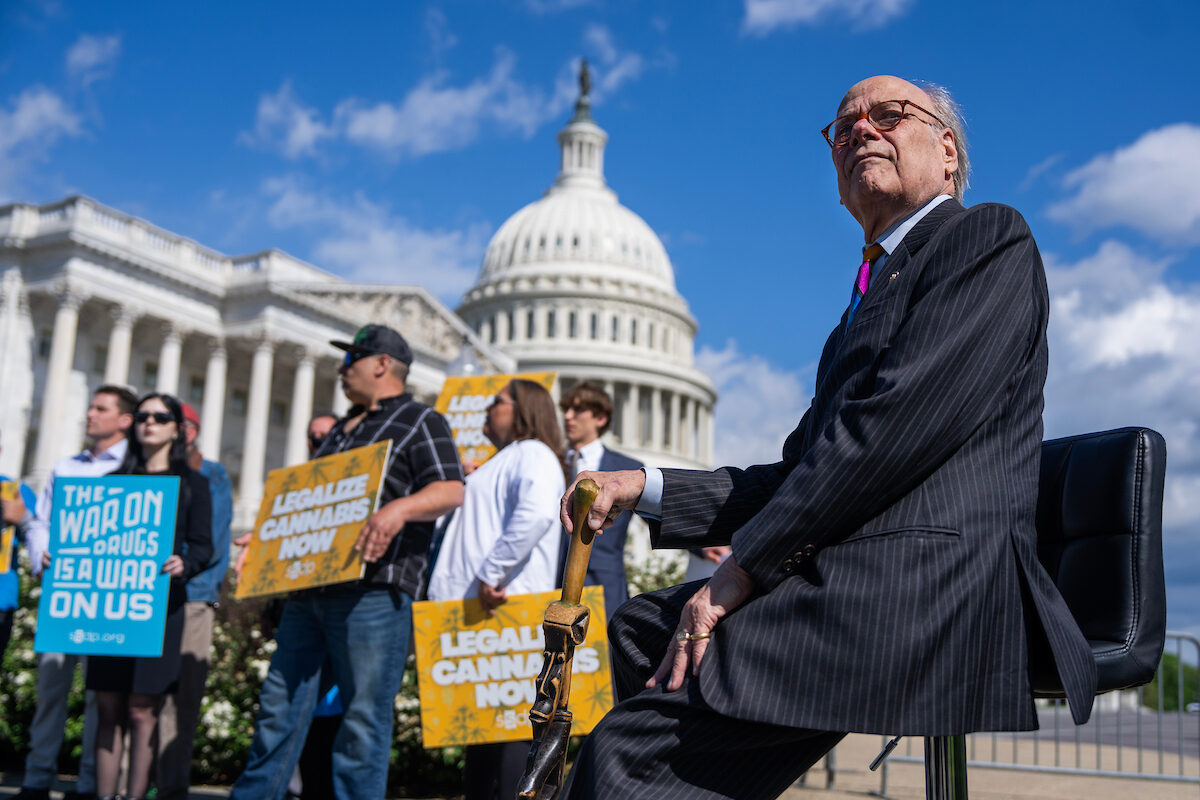
Tennessee Democrat Steve Cohen announced his retirement from Congress on Friday after the state's Republican-controlled legislature dismantled his district through redistricting. Cohen's Memphis-based seat was split across three deep-red districts in the new map, making reelection virtually impossible for the nine-term incumbent.
The redistricting action removes one of the few reliable Democratic voices in Tennessee's congressional delegation. Cohen had represented his district since 2007 and served on the House Judiciary Committee. He previously faced a primary challenge from state Representative Justin Pearson before Republicans redrew the map, but the new boundaries rendered his seat unwinnable regardless of which primary opponent he confronted.
Cohen's decision reflects the brutal mathematics of modern redistricting. By fragmenting his Memphis constituency across multiple Republican-leaning districts, Tennessee GOP legislators effectively eliminated Democratic representation without requiring Cohen's defeat at the ballot box. The strategy demonstrates how partisan mapmaking can reshape congressional power without triggering competitive elections.
The redistricting move is part of a broader Republican strategy that gained momentum after the 2020 census. States controlled by GOP legislatures have aggressively redrawn maps to consolidate Republican advantage. Tennessee's new congressional map particularly targets Democratic strongholds like Memphis, spreading Democratic voters across multiple districts to dilute their voting power.
Cohen's departure creates an open seat that Republicans now control decisively. His exit also removes institutional experience from the Democratic caucus and reduces the party's ability to compete in Tennessee, a state that has drifted solidly Republican in recent years.
The announcement underscores how redistricting, rather than voter preference, determines many congressional outcomes. While Cohen could have pursued a primary race in a new district or challenged one of the redrawn seats, he opted to step aside rather than wage an uphill battle against the new map. His decision signals the political reality for Democrats in Republican-controlled states: redistricting