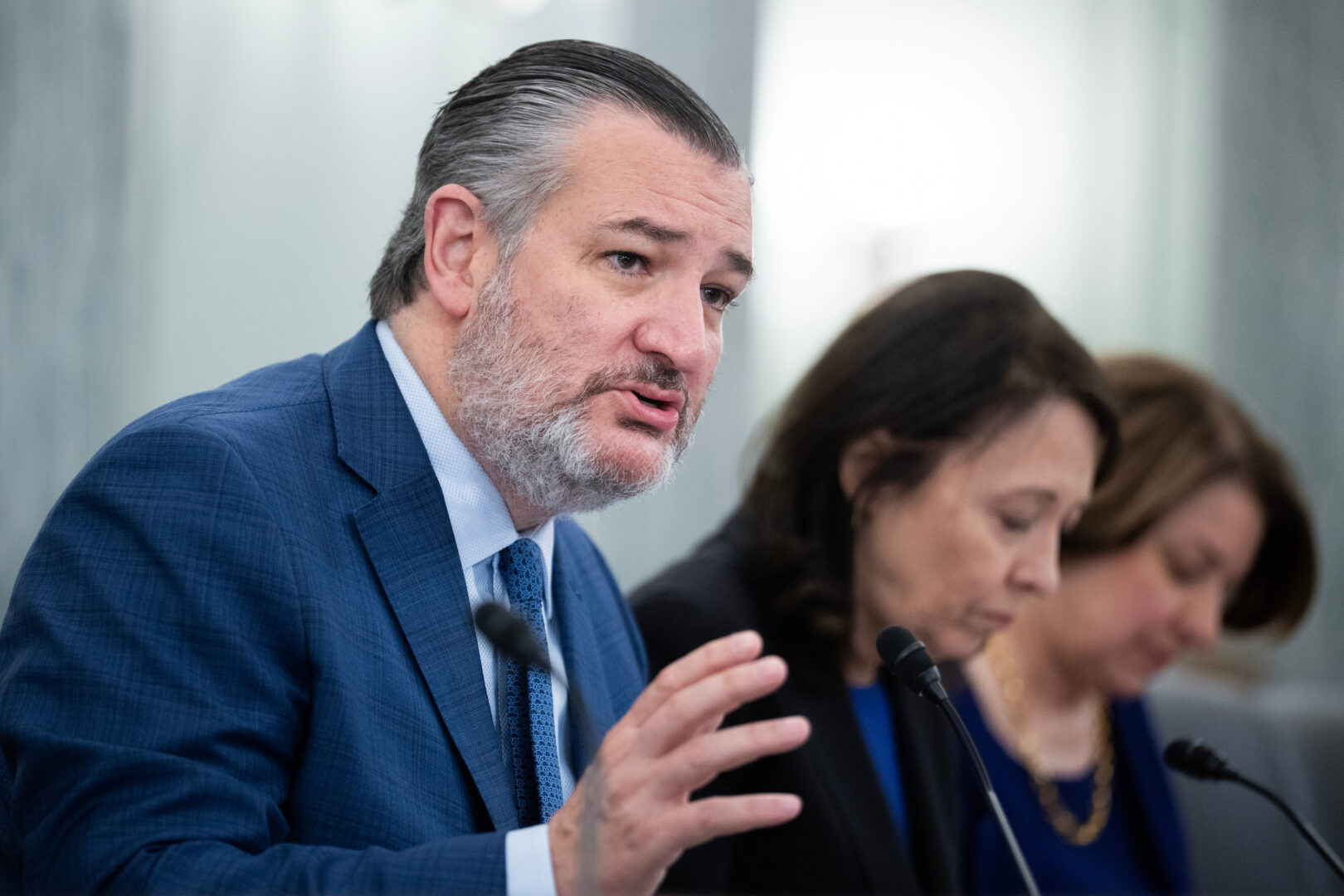
Congress pushes forward with artificial intelligence regulation as election season intensifies. Lawmakers from both parties have backed chatbot safety legislation following testimony about child deaths linked to AI interactions. The bipartisan momentum reflects growing public concern about unregulated technology platforms.
One bill cleared committee while another advances through the legislative process. The hearings centered on emotionally powerful testimony from families whose children died by suicide after using AI chatbots, creating rare agreement between Republicans and Democrats on the need for guardrails.
The timing reflects a broader political calculation. With midterm elections approaching, members of both parties want to demonstrate they take emerging tech threats seriously. AI regulation has become a centerpiece issue for lawmakers concerned about constituent safety and eager to show responsiveness to constituent concerns before voters head to the polls.
The specific proposals focus on safety standards for chatbot developers and platforms. Legislation aims to require companies to implement safeguards preventing minors from accessing harmful content and to establish protocols for identifying users at risk. Requirements would force platforms to conduct impact assessments before deploying new features.
The movement toward regulation faces pushback from technology companies arguing that heavy-handed rules could stifle innovation. Industry groups have proposed self-regulatory frameworks instead of legislative mandates. But the emotional weight of child suicide cases has shifted the political calculus in Congress's favor.
Democrats generally frame this as consumer protection aligned with their broader technology oversight agenda. Republicans emphasize personal responsibility and parental control while supporting basic safety standards. The convergence allows both sides to claim credit for action without resolving deeper philosophical differences about government's role in tech regulation.
The bills remain in early stages. Full chamber votes have not yet occurred, and significant details about enforcement mechanisms and compliance timelines remain undetermined. Industry lobbying will intensify as proposals move through final legislative hurdles. Passage before the midterms remains uncertain, though the bipartisan support suggests at least some form of chatbot