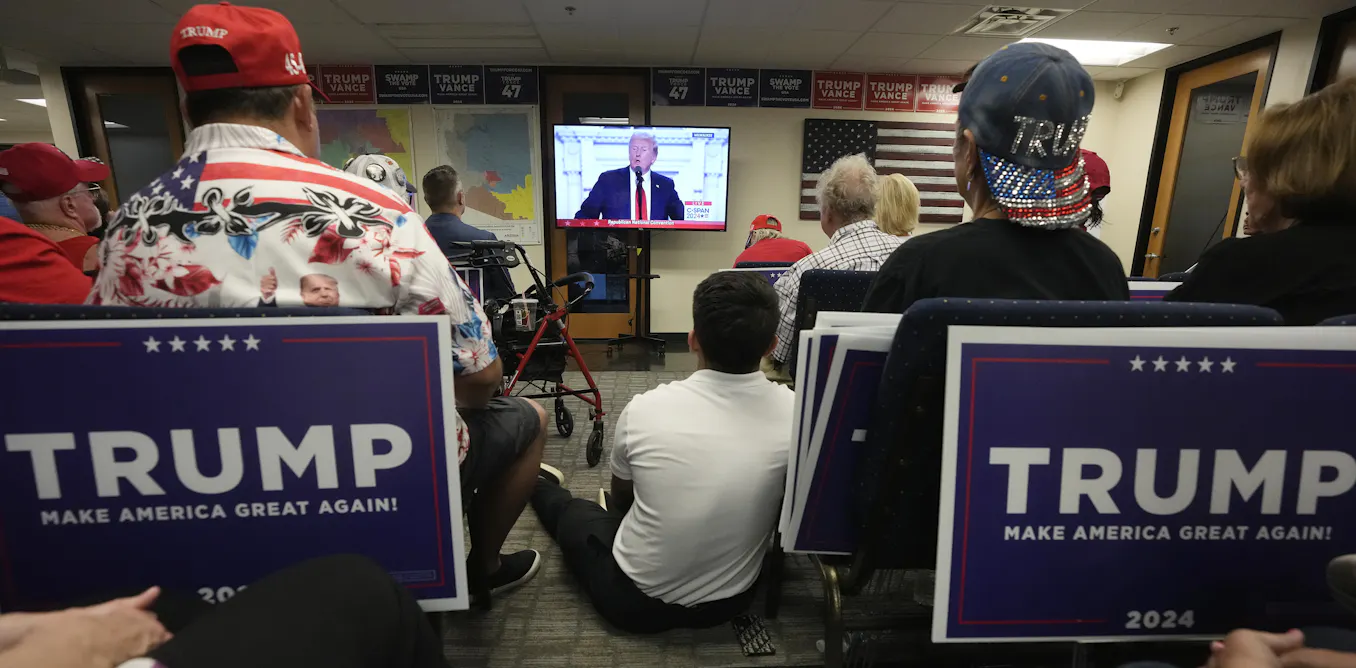
A portion of President Donald Trump's 2024 voters now express regret about their choice, signaling potential fractures in his coalition ahead of 2028. While the bulk of his base remains loyal, specific demographic groups show signs of wavering support.
Independents who backed Trump report the highest levels of buyer's remorse. Young voters cite concerns about his economic policies and rhetoric on social issues. Black Americans who supported him point to disappointment with promised initiatives and the perceived direction of his administration on civil rights matters.
The erosion appears modest but meaningful. Polling data suggests approximately 5 to 10 percent of Trump's 2024 voters would choose differently if given another chance. That margin, while small, carries outsized political weight in swing states where margins of victory narrowed considerably.
Several factors drive the shift. Trump's tariff proposals sparked inflation concerns among working-class voters. His cabinet appointments and early policy moves on social programs alarmed young people dependent on federal assistance. Black voters expressed frustration over unfulfilled campaign promises regarding economic opportunity and criminal justice reform.
Immigration rhetoric also contributed. While Trump ran on strict border enforcement, some supporters felt he leaned too heavily into divisive language rather than practical solutions. Independents specifically cited tone and polarization as reasons for reconsidering their vote.
The phenomenon reflects a broader pattern in American politics. First-term presidents frequently lose some electoral support by year one or two. Trump's unusual media presence and combative style may accelerate this normal attrition.
Republicans acknowledge the trend but downplay its significance. They argue that Trump's core support remains solid and that new voters attracted to his anti-establishment message offset any defections. Democratic strategists, conversely, see an opening to recruit these wavering voters in competitive districts and states.
The durability of this remorse remains uncertain. Economic conditions, international events, and Trump's 2