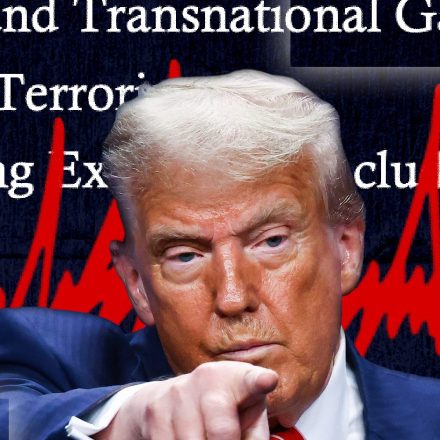
The Trump administration has adopted a counterterrorism framework that conflates domestic political opposition with terrorism threats, according to analysis from The Intercept. The strategy appears to weaponize national security apparatus against political adversaries rather than focusing narrowly on foreign terrorist organizations.
This approach represents a dramatic shift in how the administration defines terrorism and who falls under counterterrorism operations. By expanding the definition to include political opponents, the administration creates legal cover for surveillance, detention, and potentially lethal action against critics and rivals. The phrase "We Will Find You and We Will Kill You" reflects rhetoric that erases distinctions between legitimate political dissent and genuine security threats.
The conflation carries grave implications for civil liberties and democratic norms. When governments label political enemies as terrorists, they bypass normal legal protections afforded to citizens. Counterterrorism authorities typically operate with fewer oversight mechanisms and broader powers than standard law enforcement. Applying these tools to domestic political opposition effectively weaponizes national security law.
This strategy mirrors authoritarian governance patterns seen in other countries. When states use counterterrorism designations against opposition figures, press freedom, assembly rights, and due process protections erode. Political opponents face detention without trial, surveillance without warrants, and extrajudicial measures justified as security necessity.
The Trump administration's approach raises questions about congressional oversight and judicial review. Existing counterterrorism authorities granted to the executive branch assumed narrow targeting of foreign threats. Applying them broadly to domestic politics tests constitutional limits on executive power and separates terrorism operations from democratic accountability.
This recalibration of counterterrorism strategy represents a fundamental threat to the separation between law enforcement and political power. Once governments successfully redefine political opposition as terrorism, they transform security apparatus into tools of political control. The damage to democratic institutions and individual rights can persist long after the administration implementing such policies leaves office.