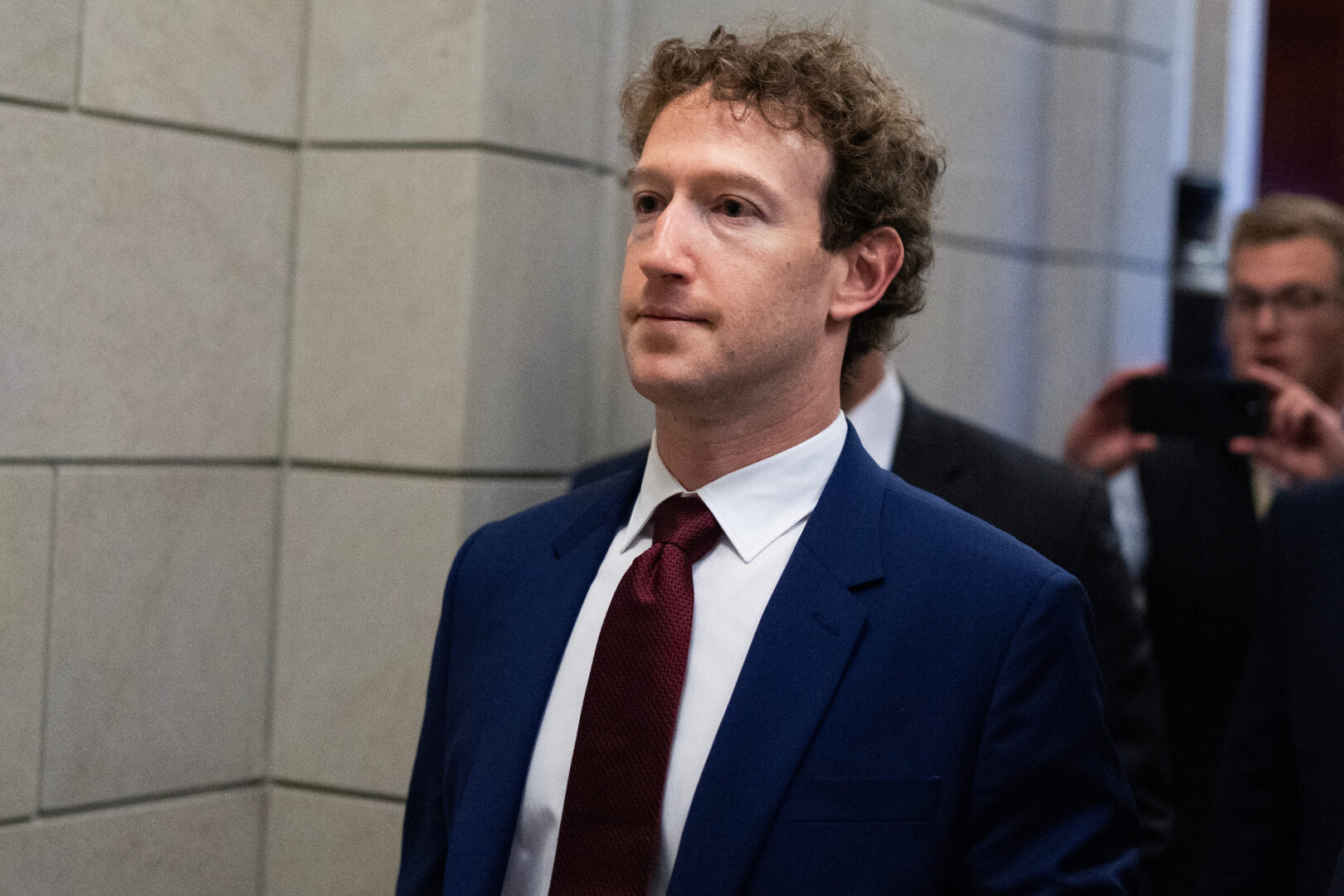
Senate Judiciary Committee Chairman Charles Grassley, R-Iowa, issued formal calls for the chief executives of Meta, Google, Snap, and TikTok to testify before the panel on June 23 about child online safety. Grassley sent letters to the companies' leaders requesting their attendance at a hearing titled "Examining Tech."
The hearing represents a renewed push by Congress to hold social media platforms accountable for their handling of minors on their services. The Judiciary Committee has grown increasingly focused on child protection issues as platforms face mounting criticism over their role in amplifying harmful content and enabling contact between adults and children.
The timing reflects bipartisan concern about online safety. Both Republican and Democratic lawmakers have highlighted the mental health impacts of social media use among teenagers and questioned whether companies have adequate safeguards against predatory behavior and dangerous content.
Grassley's move targets the largest players in the social media landscape. Meta operates Facebook and Instagram, Google owns YouTube, Snap runs Snapchat, and TikTok has become a dominant platform among Gen Z users. Each company has faced separate investigations and lawsuits related to child safety practices.
The hearing will likely center on specific questions about content moderation systems, parental controls, age verification measures, and company data on how their platforms affect child mental health and safety. Lawmakers have previously signaled frustration with what they view as inadequate corporate responses to known risks.
Whether all four companies will send their CEOs remains unclear. Tech executives have sometimes declined to appear personally or sent lower-ranking representatives instead, a practice that has drawn criticism from congressional members seeking direct accountability from top leadership.
The June 23 hearing sets up a high-profile confrontation between the social media industry and Congress as election-year pressure mounts on both sides to demonstrate action on protecting children online. The hearing outcomes could influence future legislative proposals on platform regulation and liability protections