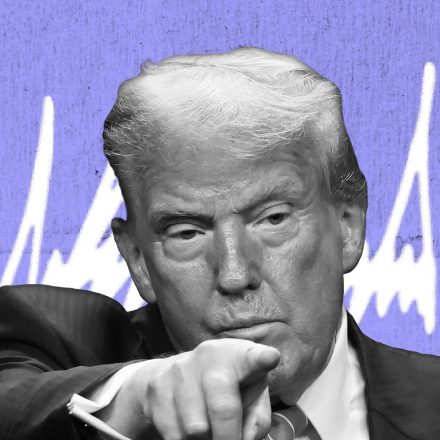
Defense Secretary Pete Hegseth faces allegations that the Pentagon under his leadership failed to implement required civilian protection measures, according to an internal Department of Defense report. The investigation found that the Pentagon did not fully establish any of the mandated safeguards designed to mitigate civilian harm during military operations.
The report represents a serious breach of military protocol and international humanitarian law obligations. The Pentagon maintains formal policies requiring civilian harm assessments, pre-strike reviews, and post-strike investigations. These mechanisms exist to prevent casualties among non-combatants in conflict zones. The failure to implement them wholesale suggests systemic negligence rather than isolated oversight.
Hegseth, a former Fox News host and Army veteran, took office as Defense Secretary in 2025 under the Trump administration. He has prioritized aggressive military posture and questioned what he views as excessive restrictions on combat operations. His leadership style emphasizes operational freedom over procedural constraints.
The implications extend beyond individual responsibility. A Pentagon failing to enforce civilian protection standards faces credibility damage internationally and potential legal exposure under the Geneva Conventions. Military personnel in the field also lack clear guidance on rules of engagement designed to protect non-combatants, creating operational chaos and legal jeopardy for those actually conducting strikes.
Congressional oversight becomes critical. Defense committees in both chambers have authority to investigate Pentagon operations and demand accountability from leadership. The report's findings may trigger hearings and potentially legislative action to restore civilian protection protocols.
The Pentagon maintains that civilian harm is unintentional and minimized through existing procedures. However, the internal report contradicts this claim directly. If Hegseth and his team deliberately avoided implementing these protections, they face questions about motive and judgment. If implementation failed due to incompetence, the competency of Pentagon leadership comes into question.
Military effectiveness and civilian protection are not mutually exclusive. Strategic advantage derives partly from maintaining legitimacy with civilian populations and the