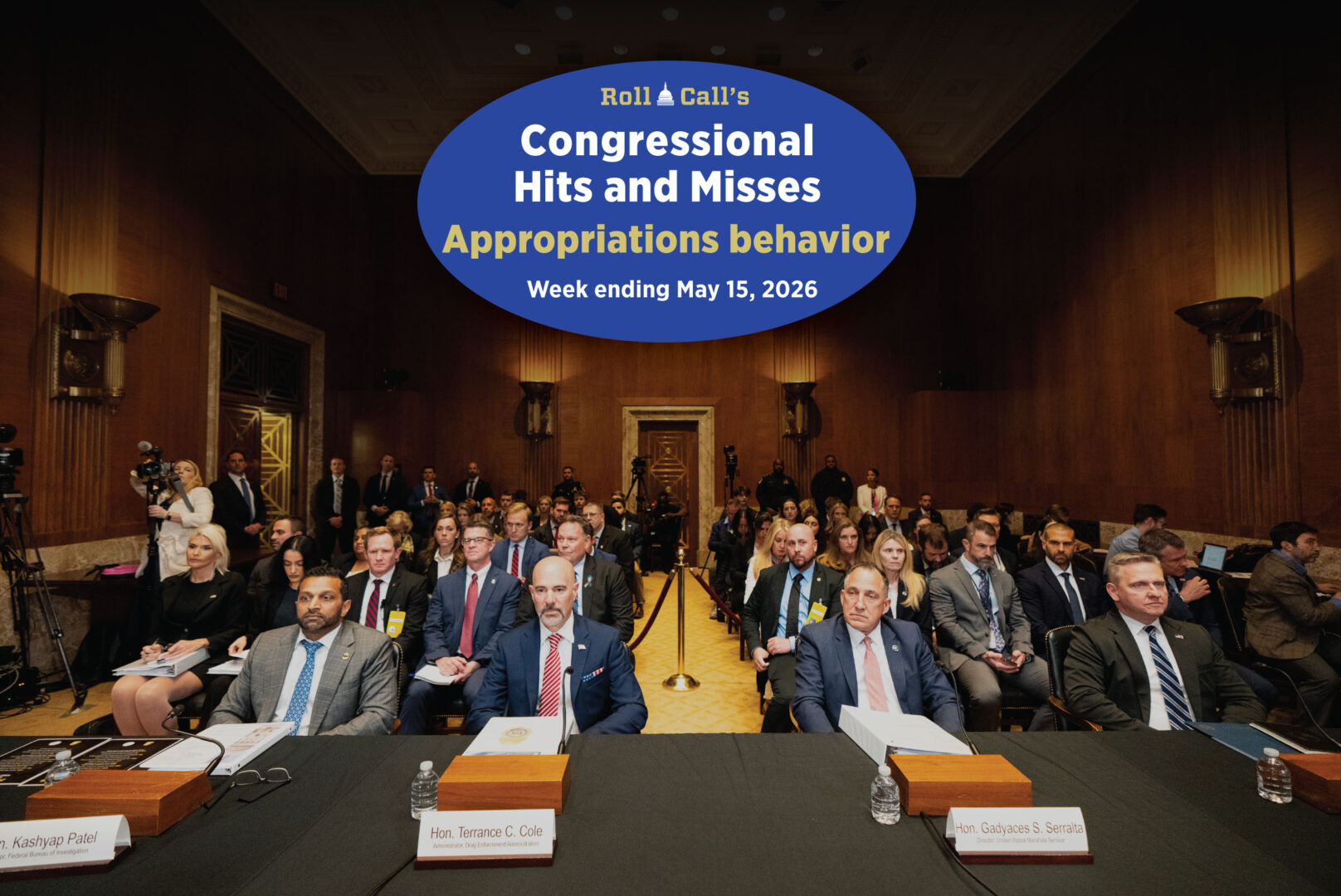
Congressional Democrats and Trump administration officials clashed sharply this week as lawmakers returned to Capitol Hill to tackle appropriations bills. The disputes center on spending priorities and reflect the deep partisan divide that has defined the 117th Congress.
The appropriations process typically generates friction between the executive branch and legislative bodies over budgetary allocation. With Trump administration officials now engaging directly with Democratic-controlled committees, the tensions have intensified. Democrats control the House and maintain leverage over spending decisions, while Republican senators and Trump appointees push competing priorities.
The specific disagreements involve how federal dollars get distributed across agencies and programs. Administration officials have advocated for funding increases in certain departments while seeking cuts elsewhere. Congressional Democrats have resisted proposals they view as harmful to their constituencies or contrary to party priorities.
This early clash signals the appropriations battles Congress will face throughout the fiscal year. The process requires cooperation between chambers and branches of government, but partisan polarization has made compromise increasingly difficult. Both sides must ultimately reach agreement on spending legislation, or risk government shutdowns or continuing resolutions that freeze spending at previous levels.
The returning lawmakers face a crowded agenda beyond appropriations, including judicial confirmations and legislative priorities tied to party platforms. How they navigate the appropriations debates will set the tone for future negotiations on higher-stakes issues.
These early clashes reveal the obstacles Congress faces in executing basic governing functions. Appropriations, once considered routine if tedious legislative work, now serves as another flashpoint for partisan conflict. The weeks ahead will test whether Democrats and Trump officials can find sufficient common ground to fund government operations through fiscal year end.