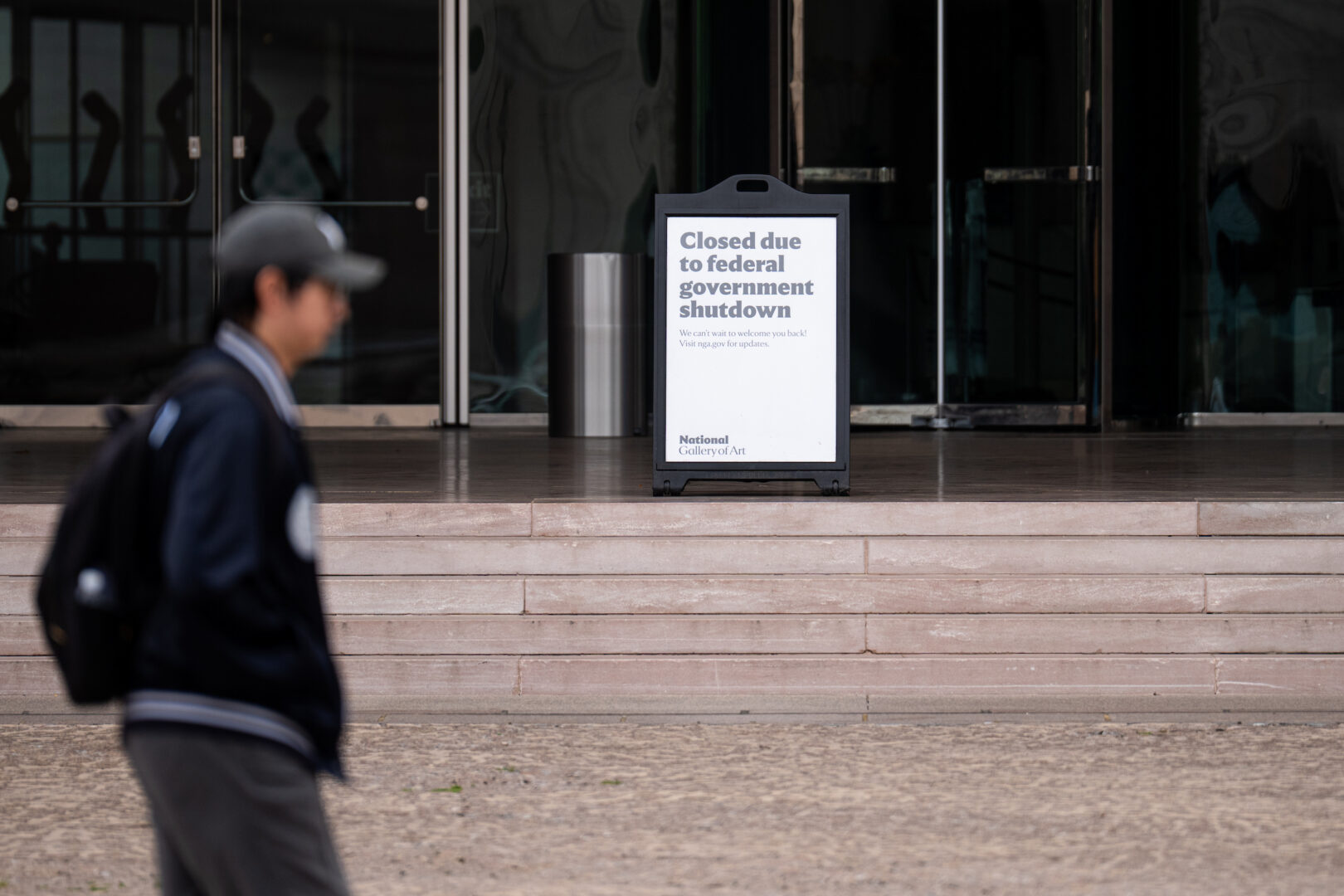
The Senate advanced a bipartisan resolution Wednesday to withhold congressional paychecks during government shutdowns, marking an unusual moment of unity on fiscal discipline.
The measure passed unanimously, signaling broad frustration with repeated funding lapses that have paralyzed federal operations. Senators from both parties backed the proposal after months of contentious budget negotiations that threatened repeated shutdowns.
The resolution targets a longstanding exemption that has allowed members of Congress to continue receiving paychecks while federal workers face furloughs and suspended pay during shutdowns. Under current law, Congress classifies its own salaries as essential spending, meaning lawmakers keep earning money even when the government shuts down due to stalled appropriations bills.
Backers argue the measure would create personal financial incentive for lawmakers to reach budget agreements quickly. If senators and representatives lose income during shutdowns, the logic holds, they will prioritize resolving funding disputes faster rather than playing brinkmanship with shutdown threats.
The approach reflects growing public anger over shutdown cycles. Multiple shutdowns in recent years have disrupted federal agencies, delayed payments to contractors, and created uncertainty for government employees. The disruptions have prompted calls for structural reforms to prevent funding lapses from recurring.
The resolution still faces procedural steps before becoming law, including a House vote. However, the unanimous Senate passage suggests the measure could gain support across both chambers, though House negotiations may prove more contentious.
Withholding congressional pay represents a symbolic shift. For decades, lawmakers resisted such measures as attacks on their salaries. The bipartisan vote Wednesday indicates Congress members now view the optics of keeping paychecks while furloughing federal workers as politically untenable.
The proposal does not address underlying disagreements over spending levels or policy riders that typically trigger shutdowns. However, supporters contend that personal financial consequences will motivate faster resolutions and reduce the frequency of future