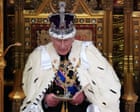
Prime Minister Keir Starmer delivered his second King's Speech on Wednesday, outlining an ambitious legislative agenda for the coming parliamentary session while fighting internal Labour Party pressure over his leadership.
The speech announced bills to abolish NHS England, overhaul special educational needs provision, restrict jury trials, introduce digital ID systems, and eliminate the leasehold system in England and Wales. The announcement came as Starmer faced mounting speculation about a potential leadership challenge as early as Thursday from within his own party.
Starmer used the formal ceremony to assert control over a restive Labour caucus. The package reflects his administration's focus on reforming public institutions and streamlining governance, though several proposals touch on contentious issues likely to spark parliamentary debate.
The NHS England restructuring represents a significant health service reorganization. The special educational needs overhaul addresses years of complaints about inadequate provision and rising costs. Restrictions on jury trials target areas involving complex fraud and financial crime cases, presenting a departure from traditional English legal practice. The digital ID proposal aligns with broader government digitalization efforts, while leasehold reform tackles a persistent housing market complaint from property owners facing expensive ground rents and service charges.
The timing underscored Starmer's fragile political position. Leadership challenges emerge when party members perceive weakness or policy direction concerns. Starmer, who assumed office following Labour's 2024 election victory, faces criticism over various policy decisions and party management. The King's Speech traditionally serves as a statement of authority and direction, but in Starmer's case, it functioned partly as a reassertion of control amid internal turbulence.
The extent to which these legislative proposals advance depends on parliamentary support and party discipline. Whether Starmer survives any leadership challenge will determine how effectively his government implements this agenda. The speech itself contained substantive policy ambition, yet the political context suggested his position remained under scrutiny from