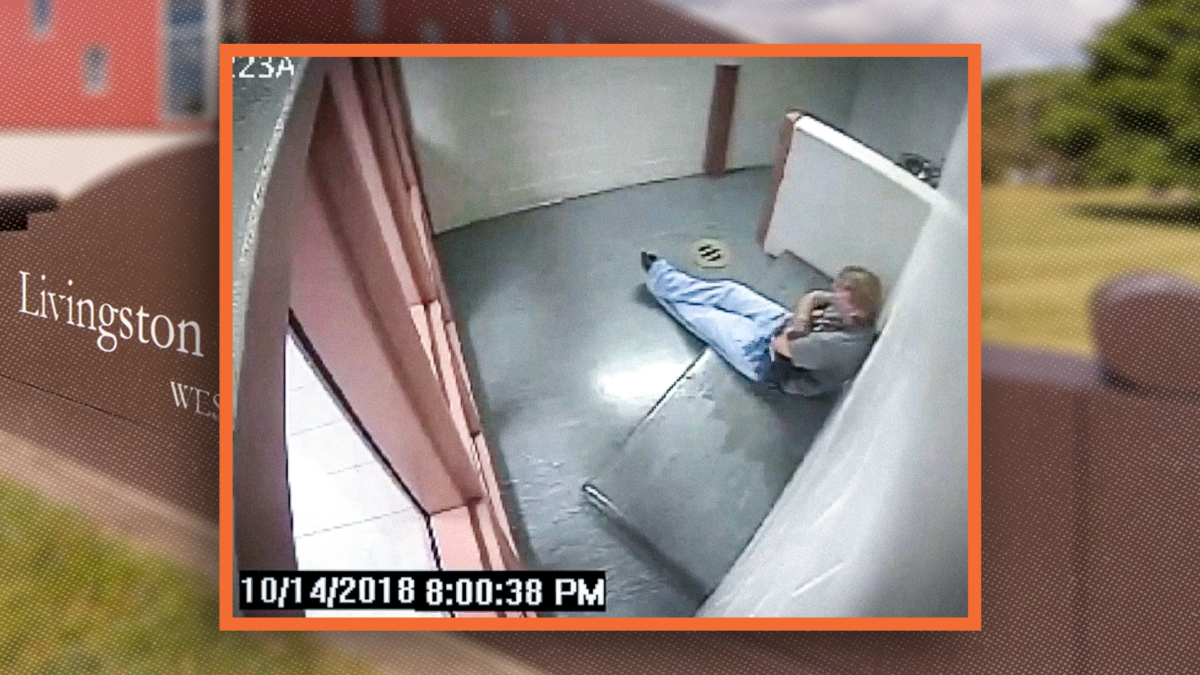
A Michigan appeals court has shielded 11 deputies from civil liability in the death of John Griswold, who spent 13 hours in a jail cell covered in his own vomit before dying. The court invoked qualified immunity, a legal doctrine that protects government officials from lawsuits unless they violated a "clearly established" constitutional right.
Griswold died in custody after deputies at the Montcalm County jail failed to provide medical attention despite visible signs of severe distress. He remained in a filthy cell for over half a day, unattended and deteriorating, before his death. His family sued the 11 deputies for violating his 14th Amendment rights to due process and protection against cruel and unusual punishment.
The appeals court determined that while the deputies' conduct may have been troubling, Griswold's family failed to point to prior case law establishing that such neglect violated a "clearly established" right. This high bar for qualified immunity requires plaintiffs to cite nearly identical previous cases to overcome the protection. Without such precedent, the court ruled, the deputies faced no legal jeopardy.
Qualified immunity has become a focal point in debates over police accountability. Defenders argue it prevents frivolous suits and allows officers to perform duties without constant fear of litigation. Critics contend the doctrine creates a nearly impenetrable shield for misconduct, especially in cases involving vulnerable individuals like those in custody.
Griswold's case exemplifies the tension. Deputies allegedly ignored observable health crises and left a person in dangerous conditions for hours. Yet the legal framework protected them from answering for those actions in court. The ruling prevents Griswold's family from pursuing damages and eliminates judicial examination of whether the jail's practices violated constitutional standards.
The decision reflects broader patterns in qualified immunity rulings. Courts frequently grant immunity even in cases involving serious harm, deaths in