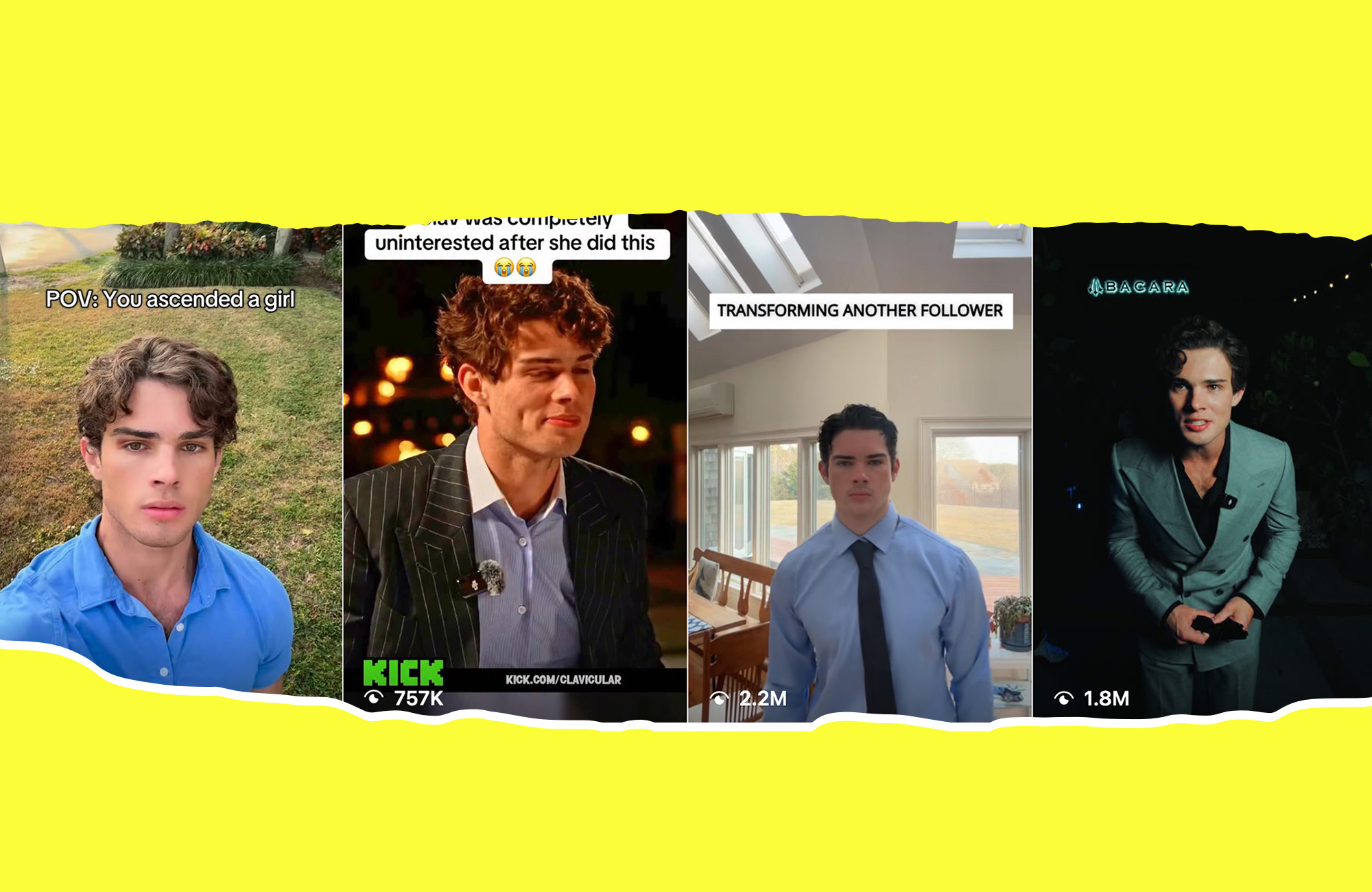
A prominent online streamer is offering simplified explanations for young men's alienation while advancing right-wing political messaging, according to reporting from The Intercept. The streamer, identified as Clavicular, has built a substantial audience by presenting easy answers to complex social and economic problems facing young males.
The strategy mirrors a broader effort by right-wing figures and organizations to channel male discontent into political radicalization. Rather than addressing structural economic issues, wage stagnation, or mental health challenges, Clavicular and similar influencers direct blame toward cultural targets and progressive policies. This approach provides emotional satisfaction without requiring systemic change or genuine problem-solving.
The article examines how streaming platforms amplify this messaging. Young men seeking community and answers find both on channels like Clavicular's, where they encounter a coherent narrative blaming their unhappiness on external enemies rather than examining personal or collective responsibility. The content operates in a space where entertainment, lifestyle advice, and political ideology merge seamlessly.
This radicalization pathway proves effective because it acknowledges real feelings of isolation and disconnection while redirecting legitimate grievances toward partisan ends. Young men experiencing loneliness or professional frustration encounter content suggesting that progressive culture wars, not job market changes or social fragmentation, caused their problems.
The Intercept's reporting situates Clavicular within a larger ecosystem of right-wing online influencers targeting young male audiences. These figures operate across YouTube, Twitch, and social media platforms where algorithmic recommendation systems push extreme content to engaged viewers. The financial incentive structure rewards sensationalism and controversy, creating pressure for increasingly radical takes.
The piece raises questions about digital platform accountability. Streaming services profit from engagement without moderating the political consequences of their recommendation systems. A young man seeking fitness advice or entertainment could encounter increasingly politicized content designed to reshape his worldview.
This phenomenon reflects