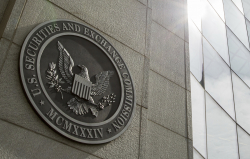
The Securities and Exchange Commission opened the door to eliminating its Consolidated Audit Trail, a sweeping surveillance system that tracks trading activity across U.S. financial markets. The SEC announced a comprehensive review and invited public comments by June 15, 2026, explicitly asking whether regulators should scrap CAT entirely or replace it with an alternative data collection mechanism.
CAT represents one of the most ambitious market surveillance projects ever attempted. Implemented after the 2010 Dodd-Frank financial reforms, the system requires exchanges and brokers to report detailed trading information to a centralized database. The goal centered on preventing market manipulation and detecting fraud by giving regulators real-time visibility into who trades what, when, and how.
The SEC's openness to dismantling CAT signals growing frustration with the program's execution. The system has faced persistent technical problems, cost overruns, and implementation delays since its inception. Market participants complained about compliance burdens and the massive costs of integrating CAT reporting into their operations. Critics across the political spectrum questioned whether the surveillance apparatus actually delivered the regulatory benefits it promised.
The 60-day comment period invites stakeholders to weigh in on fundamental questions about market surveillance. Wall Street firms likely to argue that CAT's burdens outweigh benefits, while consumer advocates and regulators focused on market integrity may defend comprehensive monitoring. The SEC's framing suggests internal division on whether the current system works as intended.
This review carries broader implications for financial regulation under the incoming administration. Republicans have traditionally opposed expansive regulatory data collection, citing costs and privacy concerns. The SEC's receptiveness to eliminating CAT may reflect political pressure to reduce what critics call regulatory overreach in markets.
The outcome will reshape how U.S. regulators monitor trading. Replacing CAT with a lighter-touch alternative could reduce compliance costs but potentially weaken fraud detection. Maintaining the status