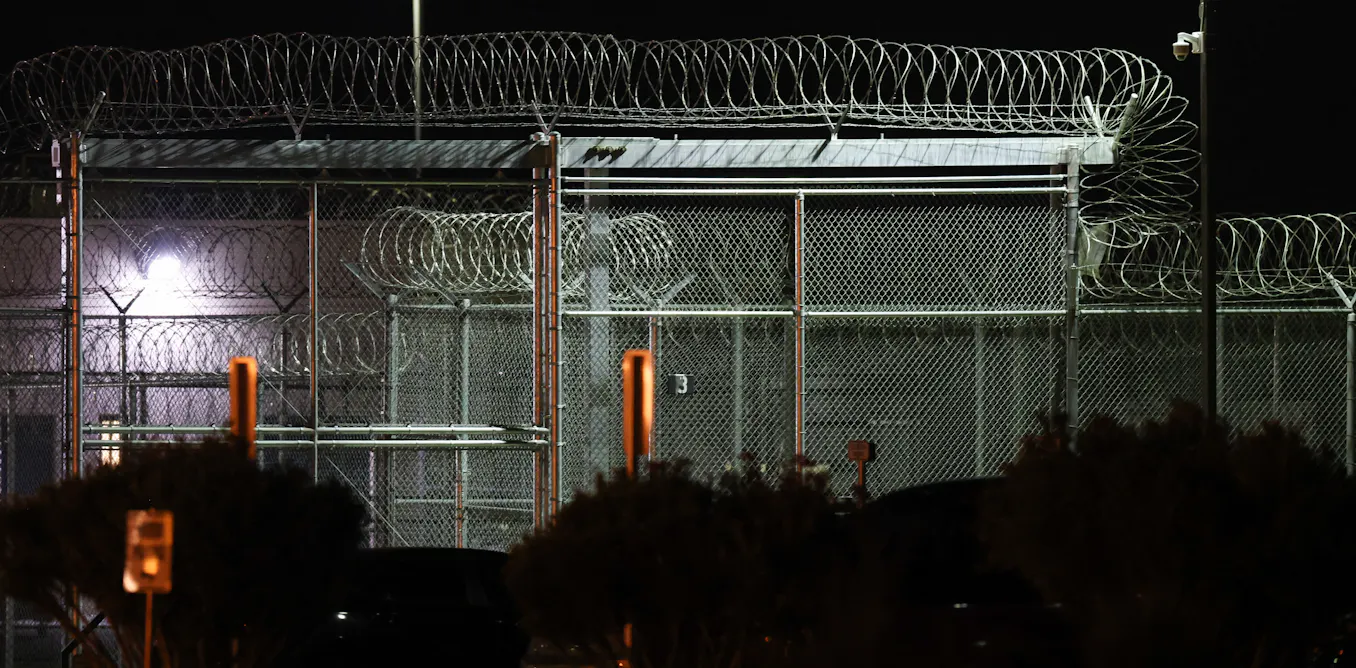
Researchers studying 150 historical cases of detention systems have concluded that U.S. Immigration and Customs Enforcement facilities meet the scholarly definition of concentration camps, rekindling debate over how America's immigration detention apparatus operates.
The analysis, published through The Conversation, applies academic criteria developed by scholars to classify detention systems. Those criteria examine factors like state control over confinement, systematic removal from normal society, and denial of due process protections. Applied to ICE detention facilities, the research finds these elements present.
The comparison carries political weight as the Biden administration faces criticism from immigration advocates over detention practices. The administration inherited a system expanded under the Trump presidency, which pursued aggressive deportation policies. Current conditions in ICE facilities have drawn complaints from civil rights organizations documenting inadequate medical care, sanitation problems, and lengthy detentions without hearings.
The scholarly framework distinguishes between prisons, which hold individuals convicted of crimes, and concentration camp systems, which confine groups based on identity or status rather than criminal conviction. ICE detains immigrants—both documented and undocumented—often without charges, sometimes for extended periods awaiting deportation proceedings or immigration hearings.
Republican lawmakers reject such characterizations, arguing that detention facilities serve legitimate enforcement functions. The Trump administration previously defended detention practices as necessary immigration enforcement.
The research highlights a tension in American immigration policy. The system operates under civil immigration law rather than criminal law, yet detainees face restrictions comparable to criminal incarceration. Many lack access to legal counsel, face deportation without full due process, and endure harsh conditions while awaiting hearings that determine their fate.
Immigration reform advocates use this analysis to push for policy changes, including reducing ICE detention capacity and investing in alternatives like monitoring programs. The debate reflects broader questions about how democracies balance border security with protection of detainee rights, particularly for populations with limited political voice.
The research forces