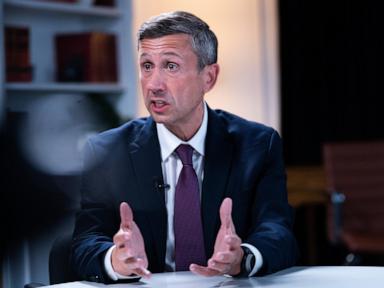
Ken Martin faces a confidence crisis at the Democratic National Committee just over a year into his tenure as chair. Democratic officials have begun questioning his leadership of the party apparatus, with concerns mounting about his strategic direction and management of the DNC.
Martin, who took over the DNC chair role after Tom Perez, inherited a party reeling from electoral losses and internal divisions. His early months have drawn scrutiny over fundraising performance, campaign strategy decisions, and how effectively he has wielded the committee's influence over party direction.
The dissatisfaction reflects broader tensions within Democratic ranks. Party officials worry the DNC under Martin lacks clear messaging discipline and coordination on messaging ahead of upcoming contests. Some point to what they view as ineffective resource allocation and insufficient support for key races at state and local levels.
The timing proves particularly damaging. Democrats face mounting pressure to rebuild after electoral setbacks and consolidate party unity heading into critical election cycles. A fractured relationship between the DNC chair and party leadership undermines the committee's core function as a unified organizing force.
Martin's defenders argue he has inherited an institution facing structural challenges beyond any one leader's immediate control. Rebuilding party infrastructure, recruiting candidates, and coordinating messaging across a geographically dispersed party apparatus requires time and resources. They note that confidence erosion happens frequently in DNC leadership roles, particularly during periods of party transition.
The controversy highlights the DNC chair's precarious position. The role lacks the electoral mandate of statewide office yet demands consensus among dozens of influential party figures with competing interests and priorities. Martin must balance the interests of progressive activists, establishment moderates, labor unions, and state party leaders simultaneously.
Whether Martin can reverse this trajectory depends on demonstrating tangible improvements in party coordination and fundraising performance in coming months. Democratic officials expect concrete results soon, or further calls for his replacement could accelerate.