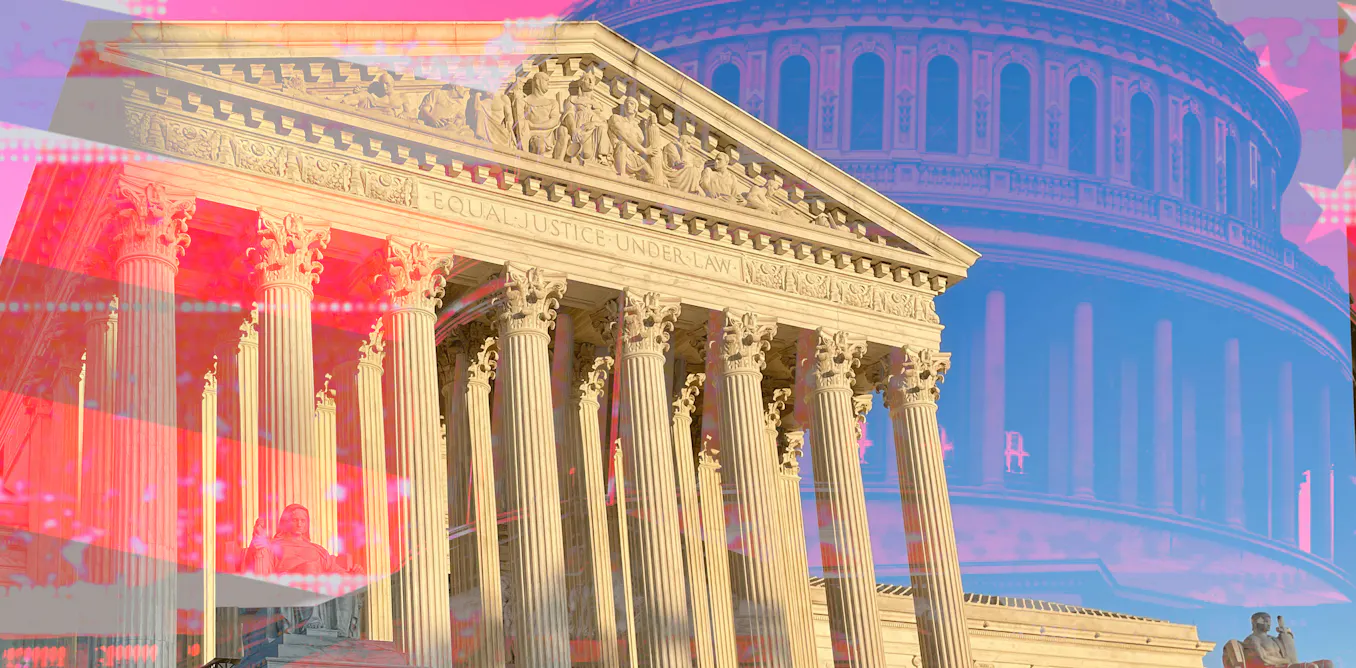
The Supreme Court's 2022 decision in Merrill v. Milligan prohibited courts from using race as a primary factor in redistricting challenges, effectively blocking one legal avenue for attacking racially discriminatory maps. The ruling means plaintiffs can no longer rely on the Voting Rights Act's Section 2 to challenge districts that dilute minority voting power based on race alone.
However, the decision created a paradox. While the Court banned explicit racial considerations in redistricting, it simultaneously legitimized partisan gerrymandering, which often produces racially disparate results. Legislatures can now draw districts that pack or crack minority voters using partisan data rather than explicit racial classifications, achieving similar outcomes through different means.
This distinction matters in practice. Republican-controlled legislatures in states like Alabama, Georgia, and Texas have drawn maps that reduce Black representation despite Black populations remaining stable or growing. These maps typically survive legal challenge because they operate under the banner of partisan advantage rather than racial intent, even when the racial effect proves undeniable.
Election law experts argue the Court's approach creates a loophole. Partisan gerrymandering software can target neighborhoods with predictable voting patterns, and those neighborhoods frequently correlate with race due to residential segregation. The technology allows mapmakers to achieve racial dilution while maintaining plausible deniability about racial motivation.
Democrats and voting rights advocates have condemned the ruling, calling it a demolition of minority voting protections. Republican lawmakers defend the maps as reflecting legitimate partisan objectives. The practical result remains that minority communities lose electoral power in multiple states.
Lower courts have split on how strictly to interpret the new standard. Some judges have accepted legislative explanations citing partisan advantage. Others have examined whether partisan effects operate as a proxy for racial discrimination, though this scrutiny remains limited.
Without explicit racial data as grounds for challenge, combating maps that harm minority voters requires proving discriminatory intent, a