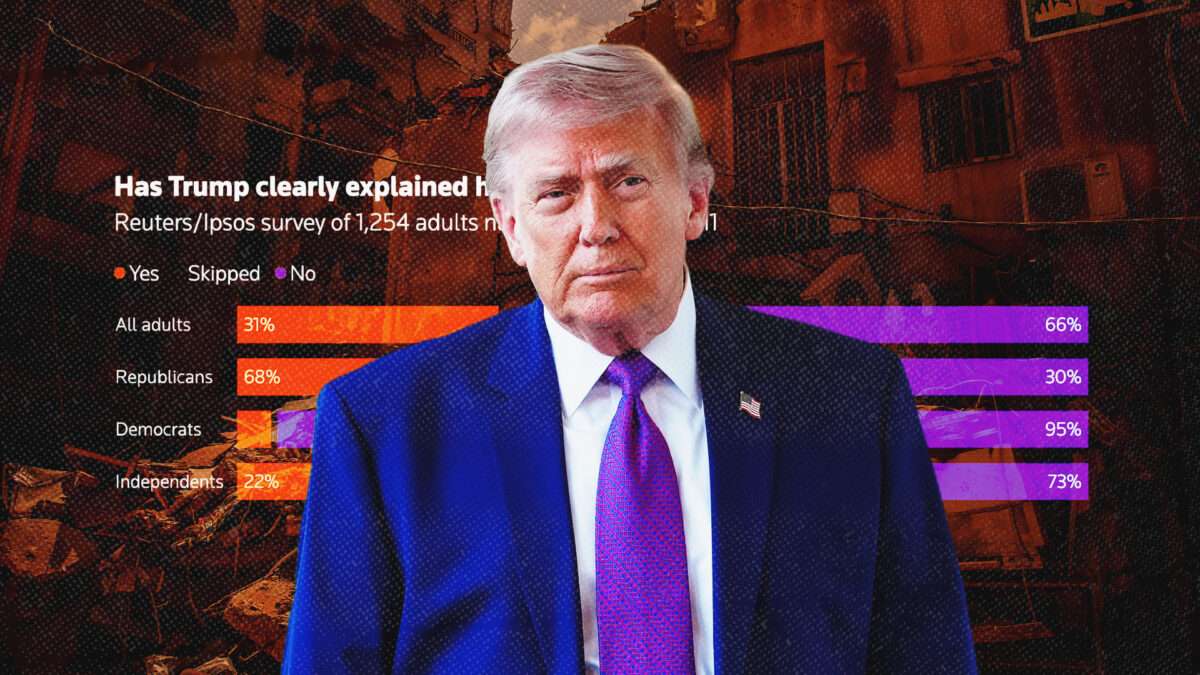
The Trump administration's 2020 strike on Iranian military commander Qasem Soleimani lacked clear strategic justification and public explanation, according to this analysis. The decision to target Soleimani at Baghdad airport escalated tensions dramatically but left Americans uncertain about the underlying rationale.
The administration offered shifting justifications after the strike. Officials initially cited imminent threats to American personnel and interests, then broadened claims to encompassing regional destabilization efforts. The explanations evolved rather than standing firm, suggesting improvisation rather than deliberate strategy.
This inconsistency contrasts sharply with how even authoritarian regimes conduct military operations. Dictatorships typically develop coherent narratives explaining their use of force. They justify actions to their own security apparatus and populations through unified messaging. The Trump administration failed to establish basic consistency in its public accounting.
The Soleimani killing occurred without congressional consultation beforehand. Trump administration officials conducted a classified briefing after the strike, not before. This sequence reversed normal protocol for military actions affecting national security and foreign policy.
The Iranian response complicated matters further. Rather than retaliating dramatically, Iran launched a calibrated strike on Iraqi bases housing American troops, killing no Americans. This measured response suggested Tehran sought to avoid full escalation while maintaining deterrent credibility. The situation de-escalated, but only through Iran's restraint rather than American planning.
Congress questioned whether the operation met the War Powers Resolution's requirements. Some lawmakers argued the administration should have sought authorization. Others contended the strike constituted an act of war requiring legislative approval. The legal and constitutional ambiguity remained unresolved.
The broader criticism centers on decision-making quality. Major military actions require clear objectives, defined success metrics, and contingency planning. The Soleimani strike appeared reactive and improvised. Trump administration officials could not articulate what the operation accomplished beyond the immediate removal