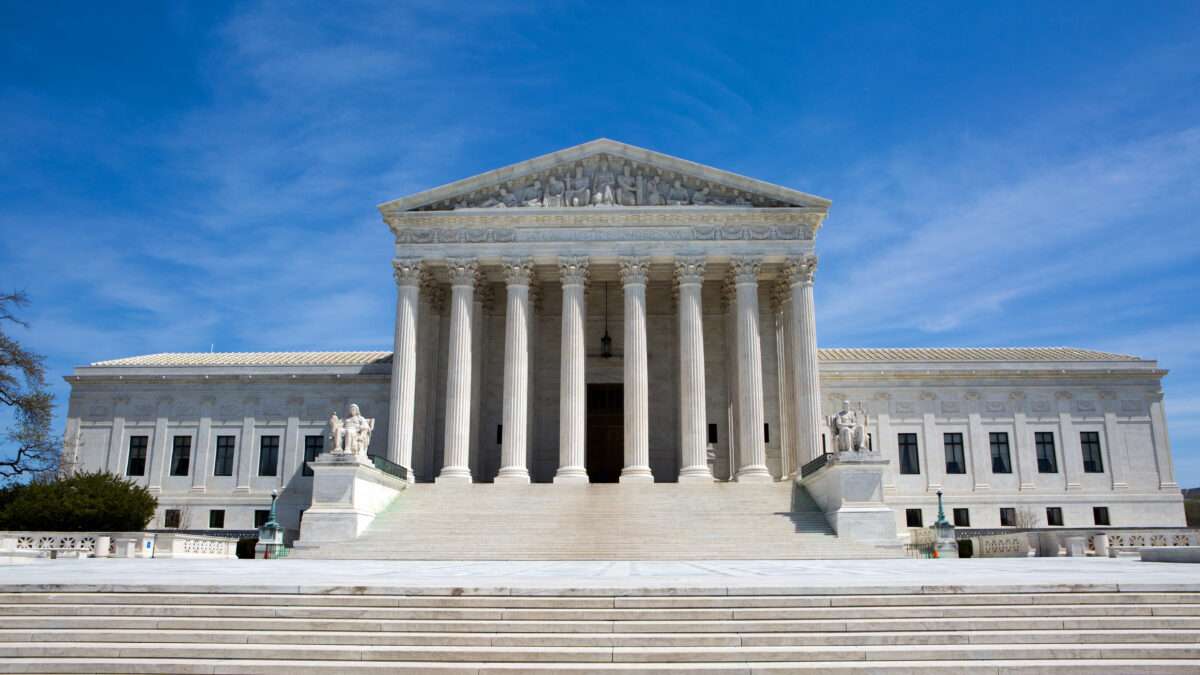
The Supreme Court's approval rating has edged upward in recent polling, marking a shift from its historically low standing following contentious decisions on abortion and voting rights. A YouGov survey indicates the Court now enjoys somewhat greater public confidence than it did in previous months.
The uptick appears tied to the Court's tariff ruling, which resolved a significant commercial dispute and may have resonated with broader public sentiment around trade policy. The decision positioned the institution as a stabilizing force on an economic issue that cut across typical partisan divides.
The poll reveals several other takeaways about public perception. Support varies sharply along partisan lines, with Republicans viewing the Court far more favorably than Democrats. Independents occupy the middle ground but lean skeptical. Age also matters. Younger Americans express less confidence in the institution than older respondents, reflecting generational differences in trust toward government bodies.
Demographic breakdowns show education levels influence confidence as well. College-educated voters hold differing views than those without degrees, though the direction varies depending on other factors like party affiliation.
The uptick remains modest in absolute terms. The Court's approval remains far below historical norms and well underwater compared to its standing a decade ago. The institution has not recovered from the fallout of its 2022 Dobbs decision overturning Roe v. Wade or its controversial voting rights rulings that preceded it. Those decisions triggered sustained criticism from progressive groups and Democrats who questioned the Court's legitimacy and judicial independence.
The tariff ruling suggests the Court can generate positive attention when it addresses issues beyond the culture war questions that have dominated headlines. However, the modest bounce does not signal a return to broad institutional confidence. The Court faces an entrenched credibility problem, particularly among Democrats and younger voters who view it as ideologically compromised. Whether future decisions restore greater public support depends substantially on how the Court rules on cases the public perceives as