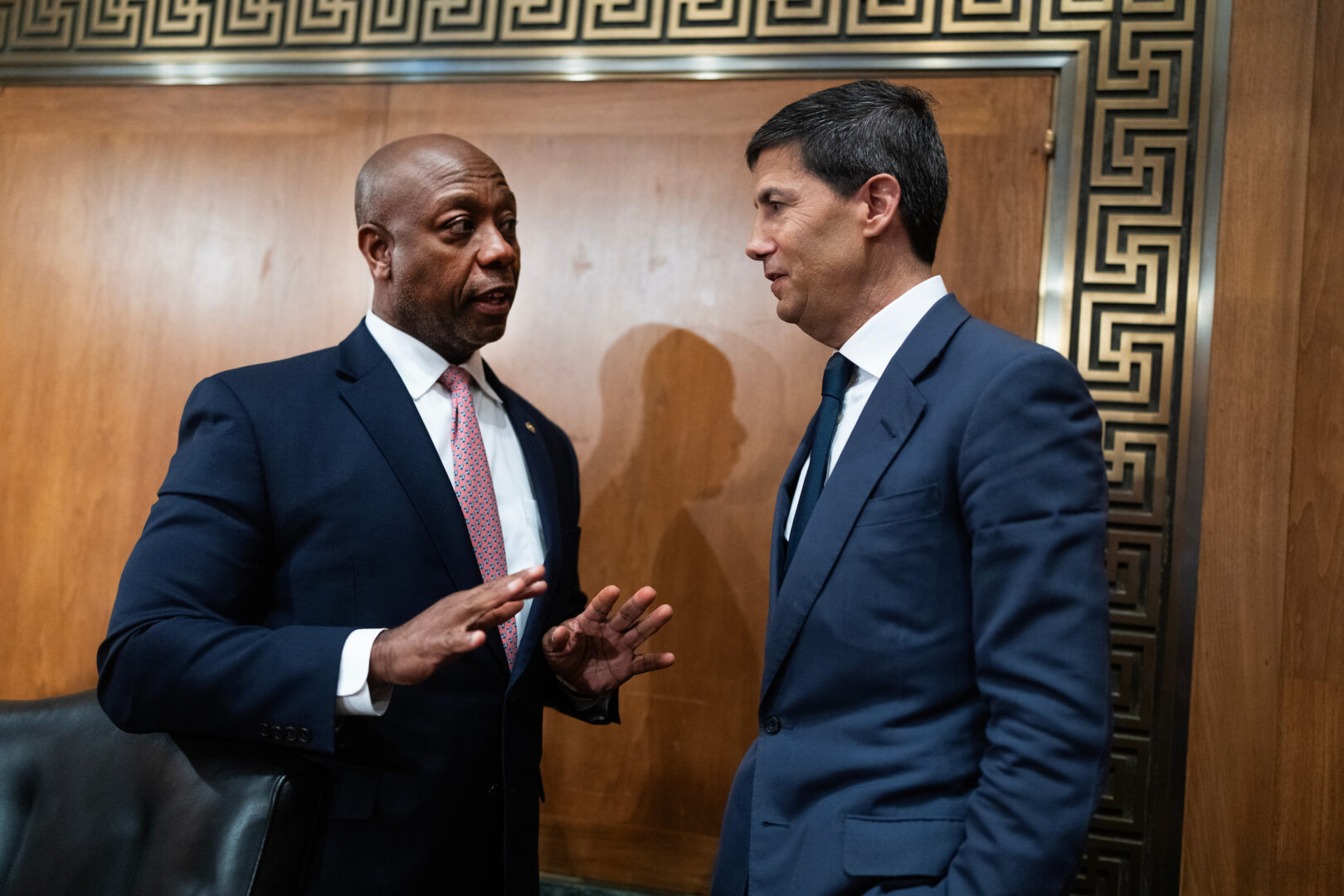
Senate Republicans are pushing hard to confirm Kevin Warsh as Federal Reserve chairman this week, marking a major priority for the GOP-controlled chamber. Warsh, a former Federal Reserve governor and investment banker, faces a confirmation vote after President Trump nominated him for the top post at the nation's central bank.
Beyond the Warsh confirmation, Senate work centers on preparing the ground for a budget reconciliation bill focused on immigration enforcement. Republicans plan to use the filibuster-proof reconciliation process, which requires only a simple majority rather than 60 votes, to advance their immigration agenda. This legislative maneuver allows Republicans to sidestep Democratic opposition and pass measures with their narrow Senate majority.
The strategy reflects GOP determination to move quickly on immigration policy during Trump's term. By using reconciliation, Republicans avoid needing Democratic votes or lengthy floor debate. Senators will conduct much of their preparatory work off the floor this week, drafting language and securing internal party support before bringing the bill to a vote.
Warsh's nomination carries significance beyond typical Fed chair selections. His appointment signals the Trump administration's approach to monetary policy and banking oversight. As Fed chairman, Warsh would oversee interest rate decisions and regulation of the financial system during a period when inflation and economic growth remain contested political issues.
The dual focus on Warsh and immigration reconciliation illustrates Republican priorities in the new Congress. Immigration enforcement remains central to Trump's political messaging, while Fed leadership determines economic policy that affects every American household. Senate Majority Leader John Thune and his team are orchestrating the schedule to handle both matters efficiently, demonstrating how Republicans intend to operate with full control of Congress and the White House.